Documenting Your Tour
Capture memories and metrics
A tour pilot will provide both qualitative and quantitative data to help assess the feasibility and effectiveness of the tours. It’s important to collect this information from the outset or else it will be incomplete.
Visuals
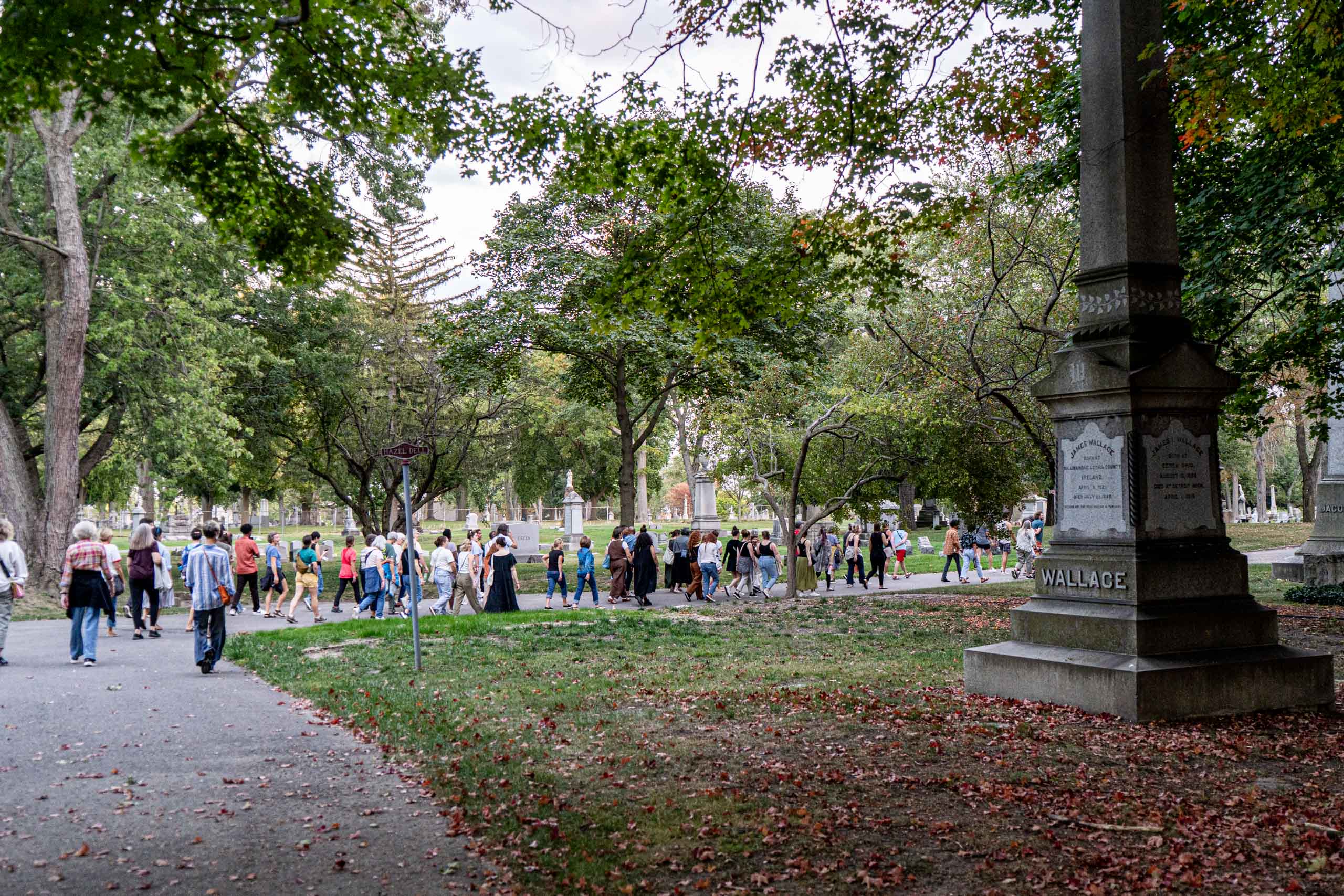
Start capturing photos from the moment you scout the tour route. These images can be used for marketing, related editorial content and social media.
Next, document the tour itself. Ask attendees to share photos afterwards, recruit a friend with a nice smartphone camera, or bring in a professional photographer. Capture the guide in action, places along the route, and attendees.
Photos and videos will help convey the tour experience to future attendees, potential sponsors, and online audiences. While this is an important task, don’t allow it to overshadow the in-person tour experience.
Basic metrics
Track metrics with a purpose. It’ll become clear over time what numbers actually mean something to your tour operation.
During the pilot, keep an eye out for additional metrics available to you through booking platforms, web analytics or partners. If a metric is particularly time consuming to track, check for an alternative or reconsider it.
Here’s 10 metrics to start with:
- Pageviews or visitors to a tour landing page
- Number of registrations
- Number of actual attendees
- Attrition rate (the percentage of people who registered but did not show up)
- Revenue from tickets sales, contributions, etc. (remember to account for fees)
- Survey responses (how many people actually took the survey)
- Survey results (aggregated and individual feedback)
- Reviews (if using a platform that collects them)
- Other marketing metrics (Reach, Clicks, Conversion)
- Email subscribers (new subscribers via tour signups or # of subscribers in attendance)
Observations
Analytics on a screen are great, but also make collecting observations routine.
Depending on how the tour registration is set up, you may be collecting more or less information about the registered attendees.
For example, the Google Form used to sign up for Future Tides’ pilot only required one attendee to register on behalf of a group. It included five required and one optional field, with no demographic or address information. While not ideal, the intention was to make it quick and easy to sign up using a free tool.
As a result, meeting attendees and in-person interactions became a key source for understanding who attended the tours. Not all reactions and feedback shared in real time will be captured in survey responses, so note those too.
Other useful observations include repeat questions, when a group seems disengaged, and changes to the environment surrounding the route.
Impact
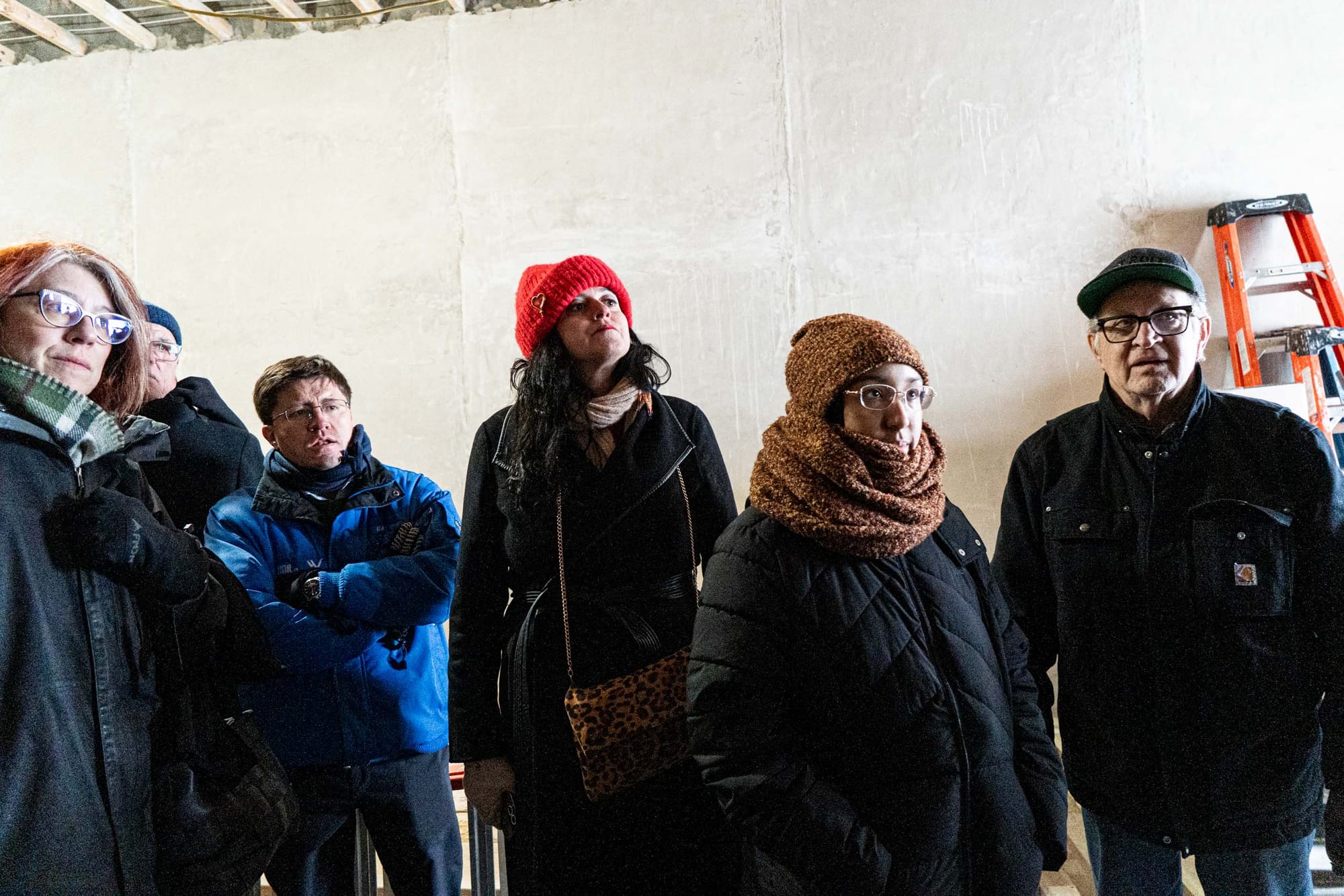
Tracking the impact of your tours is similar to tracking the impact of your journalism.
It’s especially helpful since tours typically involve a smaller number of people, but in theory it’s a more deeply engaged group. Remember, they’re giving you an hour or more of their time versus seconds or minutes with a web article or social media post.
A leader in this field, Impact Architects, defines impacts as: “any change spurred by an organization’s work and that fulfills its mission. We define impact as the change to the status quo on the individual, community, and structural level.”
You may also want to track earned media, community partnerships, public speaking, testimonials, and anything else that demonstrates the effect of your tours beyond the numbers.
RJI: Behind the IA Impact Tracker
LION Publishers: How to Measure Impact
Solutions Journalism Network: Impact Tracking Guide
Case Study: Outlier Media
Detroit nonprofit newsroom Outlier Media is a leader when it comes to making traditional reporting more accessible to communities. Founded in 2016, the organization provides a text message service, trains and pays Detroiters to attend public meetings, and its coverage is informed by an in-depth information needs assessment.
As part of their efforts to grow The Outlier Collective membership program and revenue from events, Outlier developed a walking tour and a bus tour through local partnerships. Since 2024, they’ve hosted four tours in total, incorporating them into their broader events strategy.
Membership and Events Manager Ashley Fassett applies her journalism background and news product management training to these initiatives. She also grew up watching her grandmother lead bus tours for seniors, and kept that in mind when considering events for Outlier.
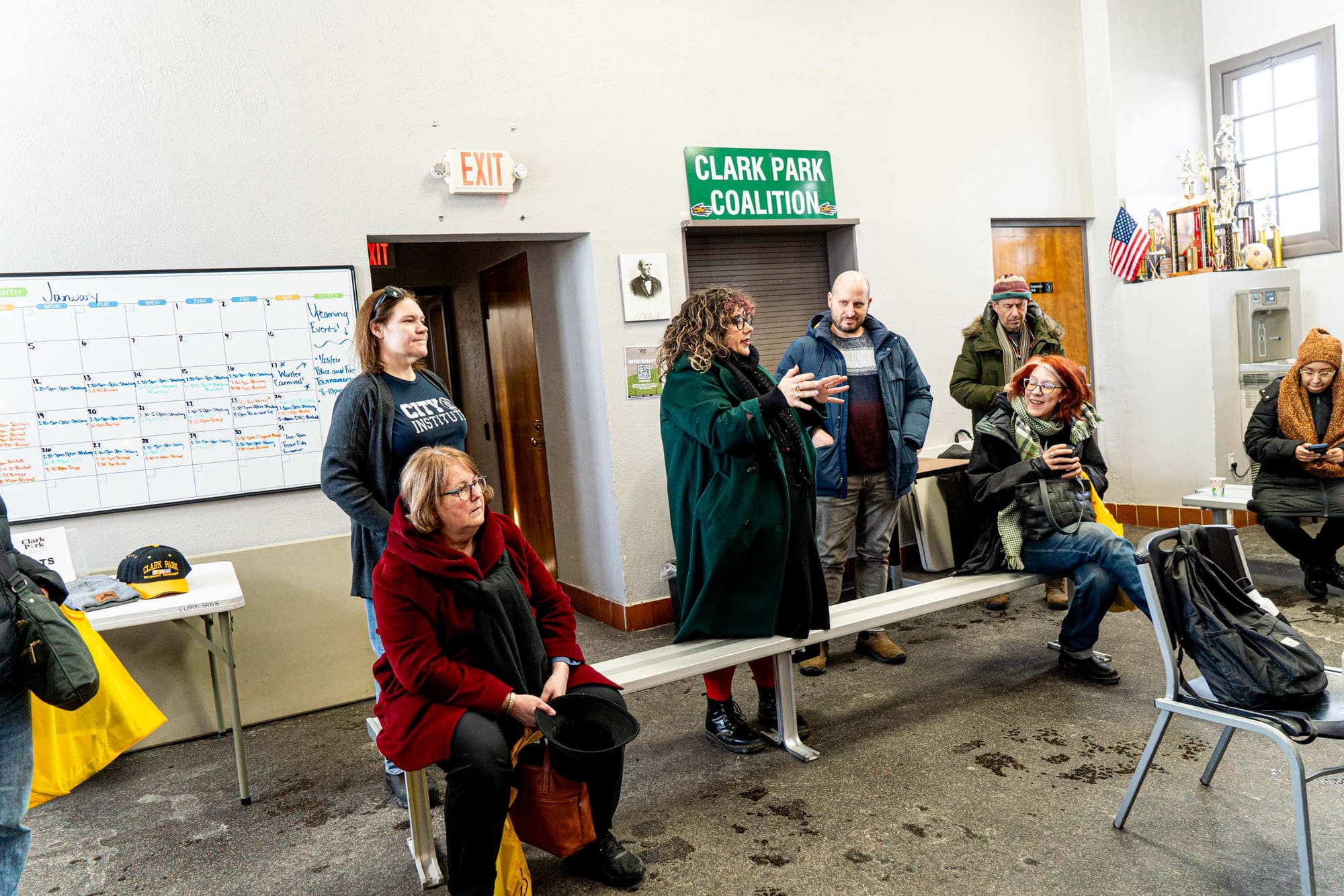
The primary purpose of Outlier’s events is to distribute information. They’ve found success with events that function as “place-makers” where Outlier shares authority with the community.
“We work with our community to rewrite the history that gets told,” Fassett said, adding this is a much bigger deal in Detroit than in other places.
“When we do these tours…we get a chance to set the record straight. And that really aligns with our mission.”
Local news rediscovers local history via Nieman Lab
How journalism and storytelling give residents tools to preserve their own experiences and pasts via American Press Institute
Girls in the Graveyard
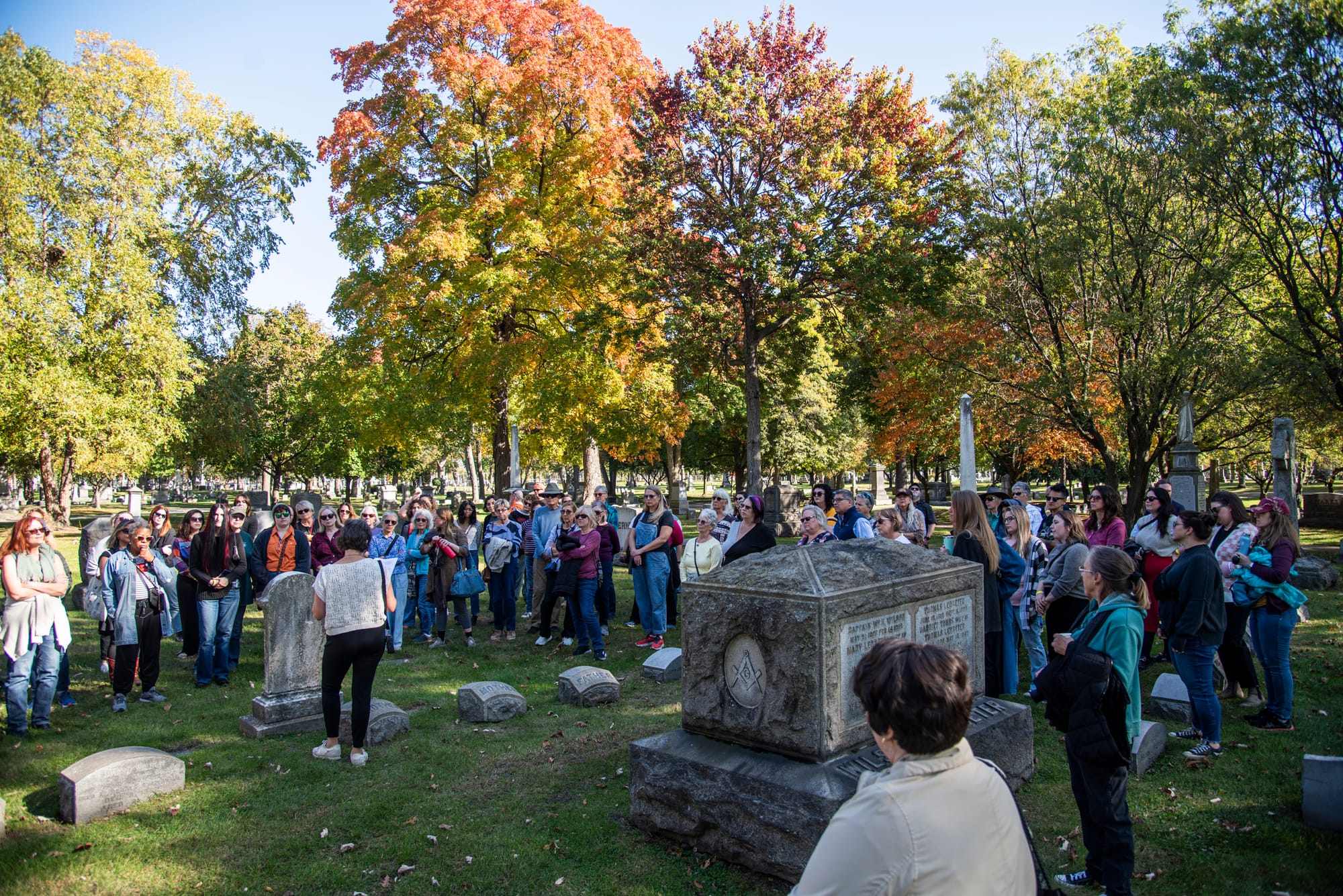
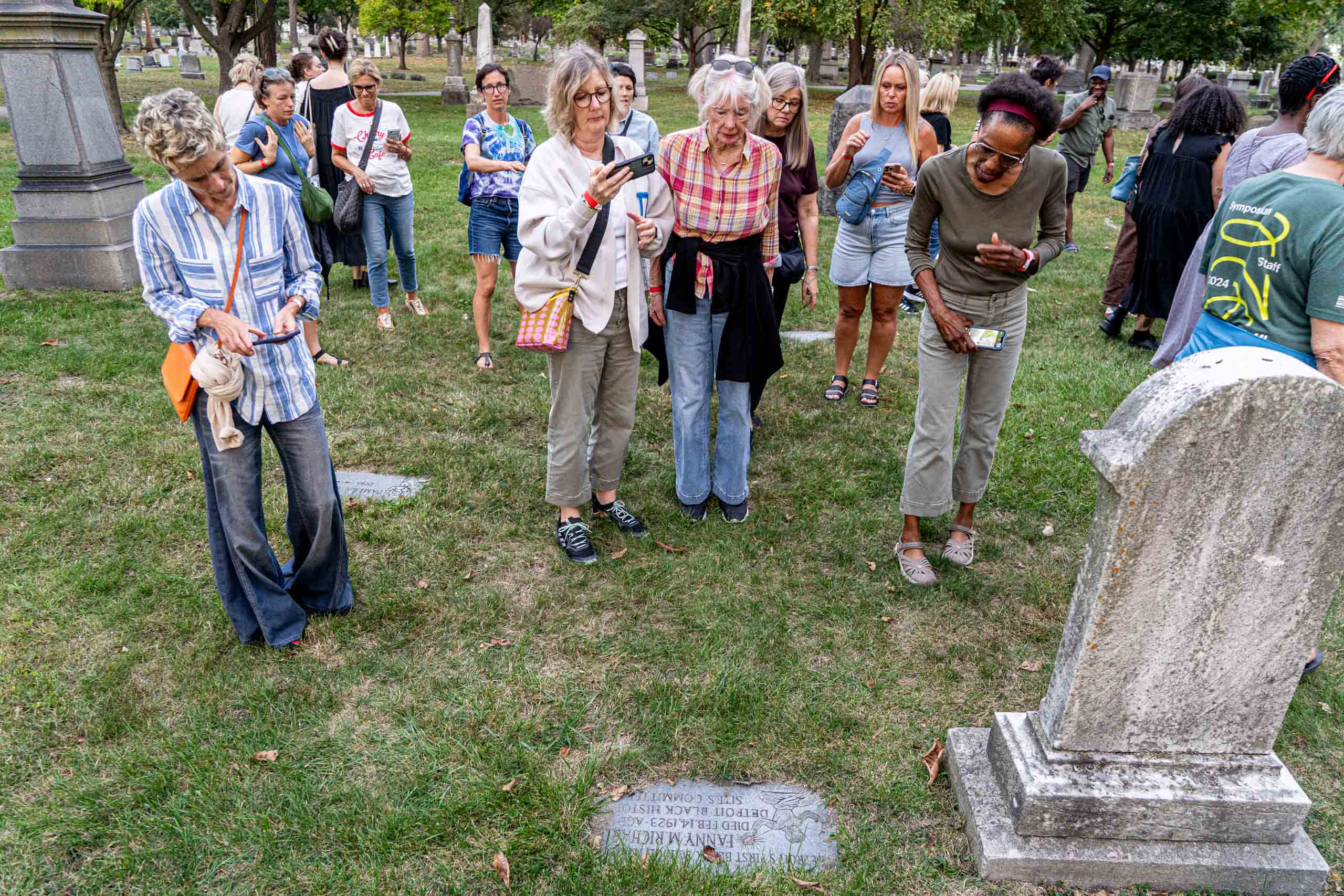
Outlier’s first tour in October 2024 was a walking tour at the historic Elmwood Cemetery, another Detroit nonprofit. The cemetery is open to the public, much like a park, and regularly offers tours.
Working together, they developed “Girls in the Graveyard,” a 2.5 hour tour highlighting the scenery of the 86-acre cemetery and the exceptional women buried there. Outlier sold paid tickets to the event, which also included a woman-owned bakery and bookstore. It ended with a picnic.
Girls in the Graveyard sold out with 100 tour attendees. The response, boosted by local media partners including Michigan Public and the local ABC affiliate, told Fassett they were on to something.
It wasn’t without some trial and error. Fassett said they also tried a night tour, which wasn’t as successful. The next October, they did Girls in the Graveyard again, making the tour a once-a-year offering.
For the second year, they organized two tours of 75 people, one per day. This also sold-out, bringing total attendance to 150 people. Fassett said almost 70% of attendees were new to Outlier, making it a successful “top of funnel” initiative.
Bus tours with City Institute
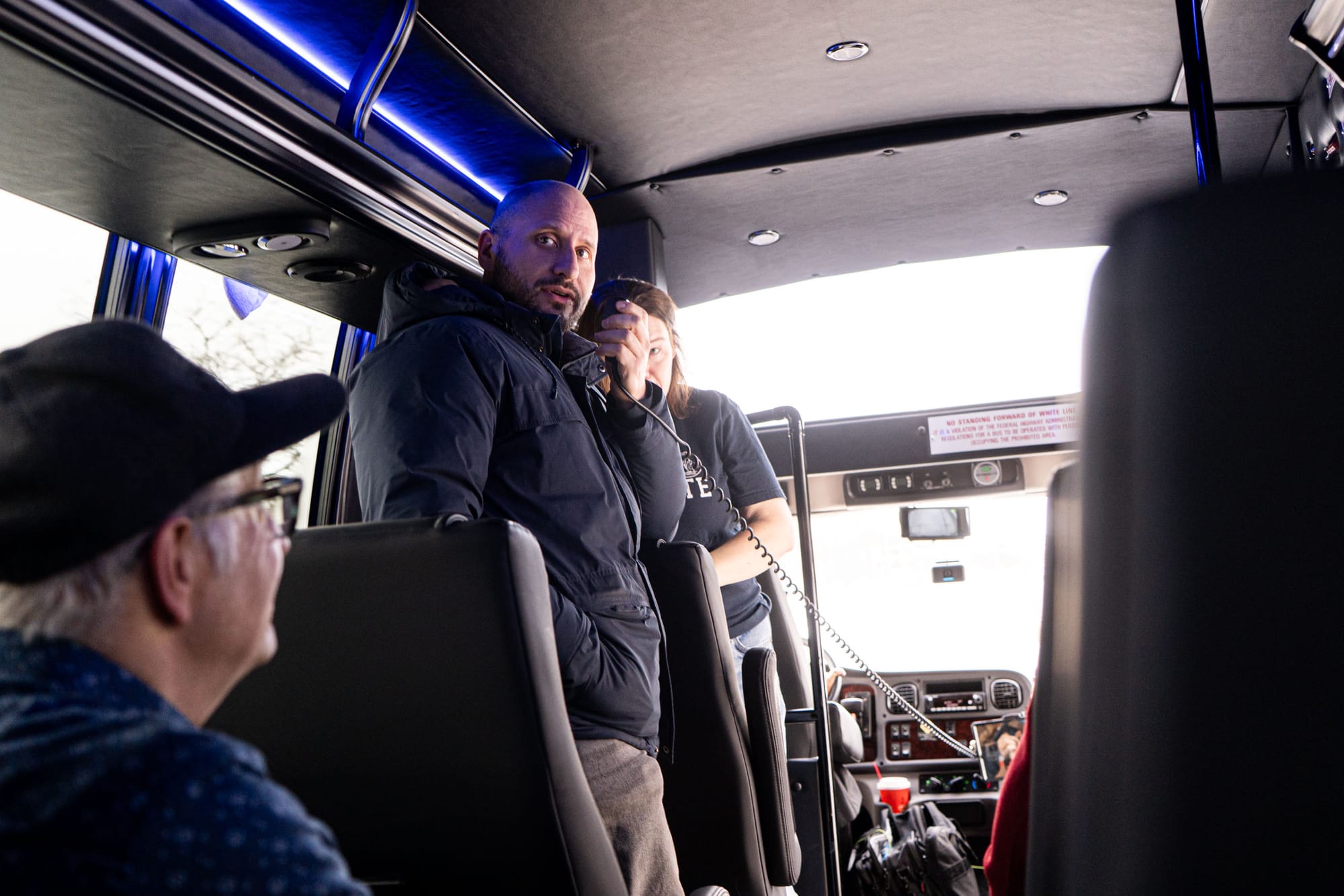
For bus tours, Outlier is partnering with City Institute, a local nonprofit dedicated to helping people develop a deeper understanding and connection to Detroit. Led by Jeanette Pierce, the organization uses engaging storytelling, experiential learning and tours to facilitate this connection, specifically for residents.
Fassett explained that their first bus tour took place on 313 Day, an unofficial celebration of Detroit culture held on March 13 and named after the local area code. The tour spotlighted “Indigenous authors, activists, and Detroit’s first stories.” Afterwards, they held a reception at a local bookstore.
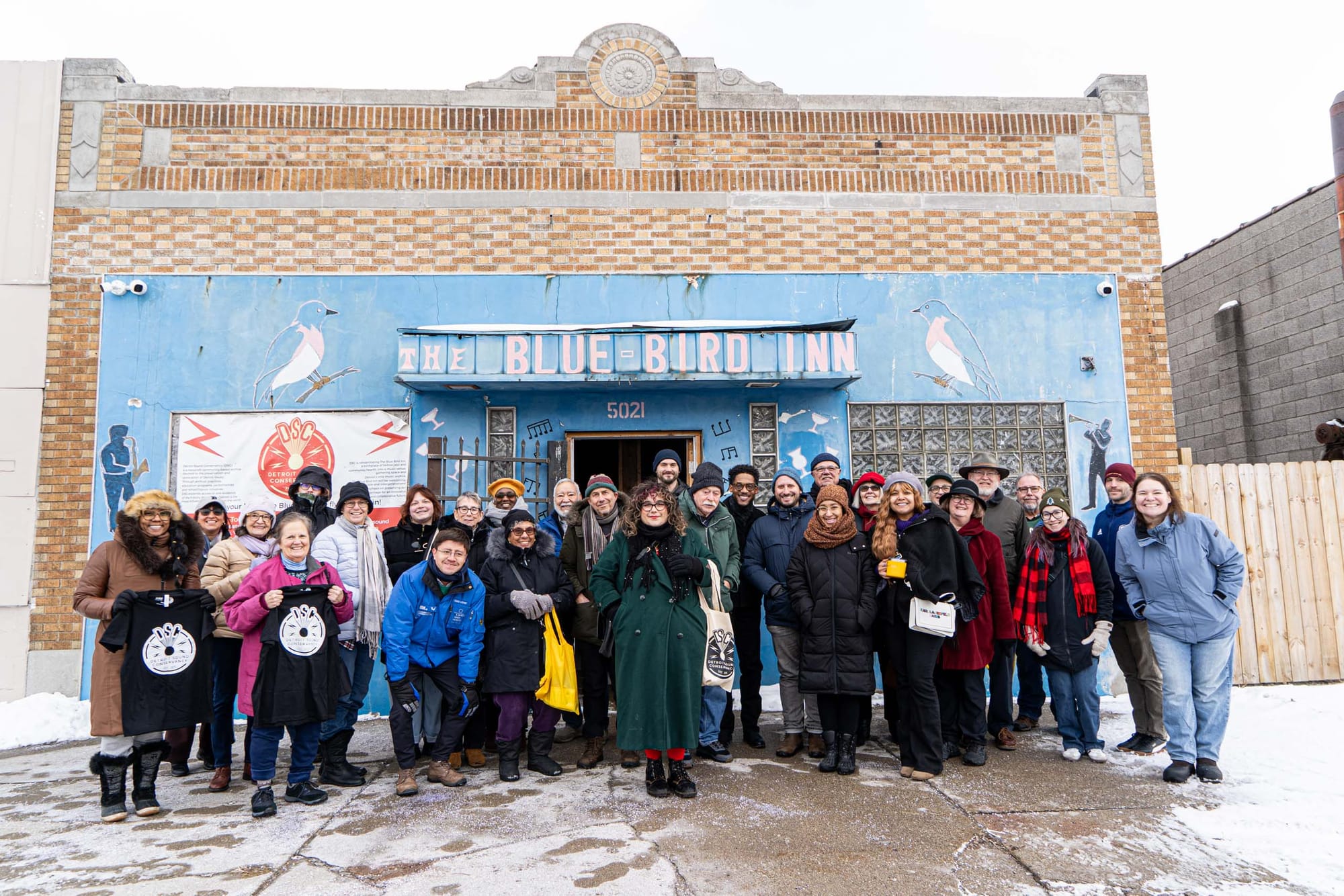
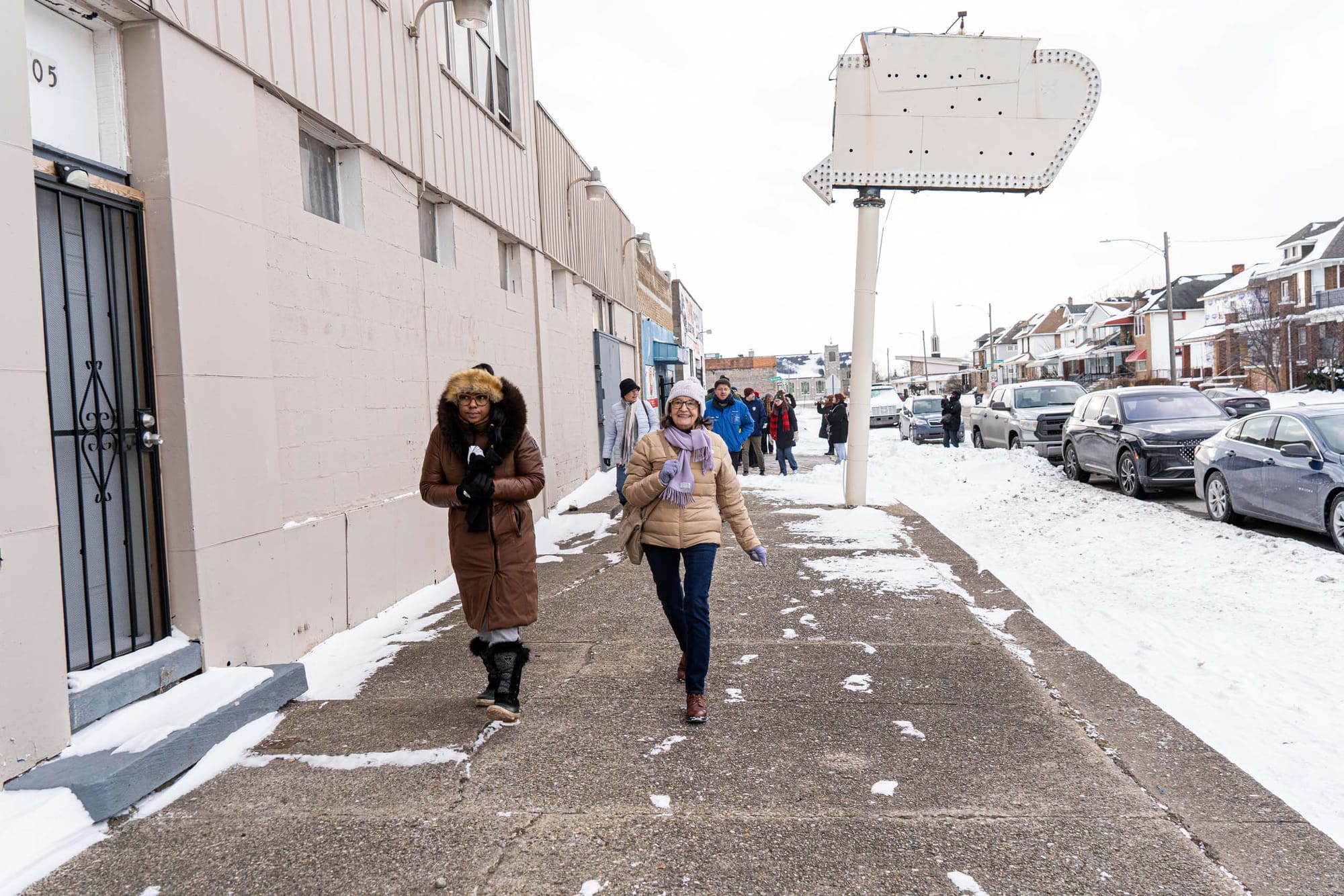
The second bus tour, held in January 2026, tied to Outlier’s editorial reporting. The One Good Bus Tour visited buildings and landmarks people might not know about, including a famous jazz cafe that a local group is trying to preserve.
These bus tours are more expensive to operate and come with added logistics, but it greatly expands the tour route. With capacity limited by bus size, the One Good tour sold out.
Integration with membership
Fassett relaunched Outlier’s membership program in October 2025, shifting to a paid model, but with a twist: Anyone who donates $1 or more during the year is automatically part of The Outlier Collective.
For Outlier’s tours, this means that in addition to inviting the current membership, anyone who purchases a ticket becomes a member. One of the membership benefits is pre-sale access to Outlier’s ticketed events, including ones that tend to sell out, like Girls in the Graveyard.
For the One Good Bus tour tickets were $50 and included a year of membership. Using this approach, Fassett is converting the 50-70% of attendees who are new to Outlier directly into members.
While she’s still trialing parts of the new program, including member-exclusive events, Fassett’s approach demonstrates the potential synergy between tours, content and membership.
“We have the metrics to back up that what we’re doing is bringing people in the funnel,” Fassett said.
Takeaways
With multiple partners, modes of transportation and post-tour gatherings, Outlier’s tour experiences are more logistically complex than in other case studies.
“The value add of tours to both your area and to your readers can be very high impact…it’s also exceptionally draining,” Fassett said.
Fassett said it shouldn’t be such a lift that you don’t do it, which is why she looks to partners for help. She said it’s important to put the time in to actually measure your success.
“How do you measure effort vs. impact if you don’t actually put effort into it?”
In addition to benefits for membership, these tours helped Outlier’s revenue from events grow significantly from 2023 to 2025. Fassett recommended adding some type of ticket price to most events to help gauge the true interest level of that event.
Event organizers across industries know that free events might have high registration numbers, but not necessarily high turnout. This gap, called the attrition rate, might be 50-60% for a free event versus 10-30% for a paid event. This carries over to tours too.
Whether a tour or event, Outlier Media’s in-person activations share the same key ingredients:
- A strong sense of place (Detroit or a specific neighborhood)
- Topics and themes that people, including Outlier staff, are very passionate about
- Editorial input and crossover with their news model
Fassett is fond of saying “news isn’t just what happens article to article, it’s everything that happens in between.”
She sees tours as part of that “in between.” It’s a time to be outside a newsroom, to get people to talk to each other, and to talk to journalists.
“Something you can do so organically, it’s so important,” she said.