The Murrelet project imagines what’s possible for 'green' vessel retrofits
The 38-foot steel motor vessel will relaunch as a platform for Salish Sea research
“I think in the marine world, it’s very important that you manage your moral compass,” said Kim Smith, 30-year marine industry business owner and marina manager. “It’s like steering a boat, it’s not perfect. You run into currents, you run into all kinds of stuff. But if you work at it and you get a handle on it, you know, when it starts to spin.”
Smith stands in his workshop at Spencer’s Landing, Lopez Island, describing a recent marine management project, one in which his moral compass feels aptly on course.
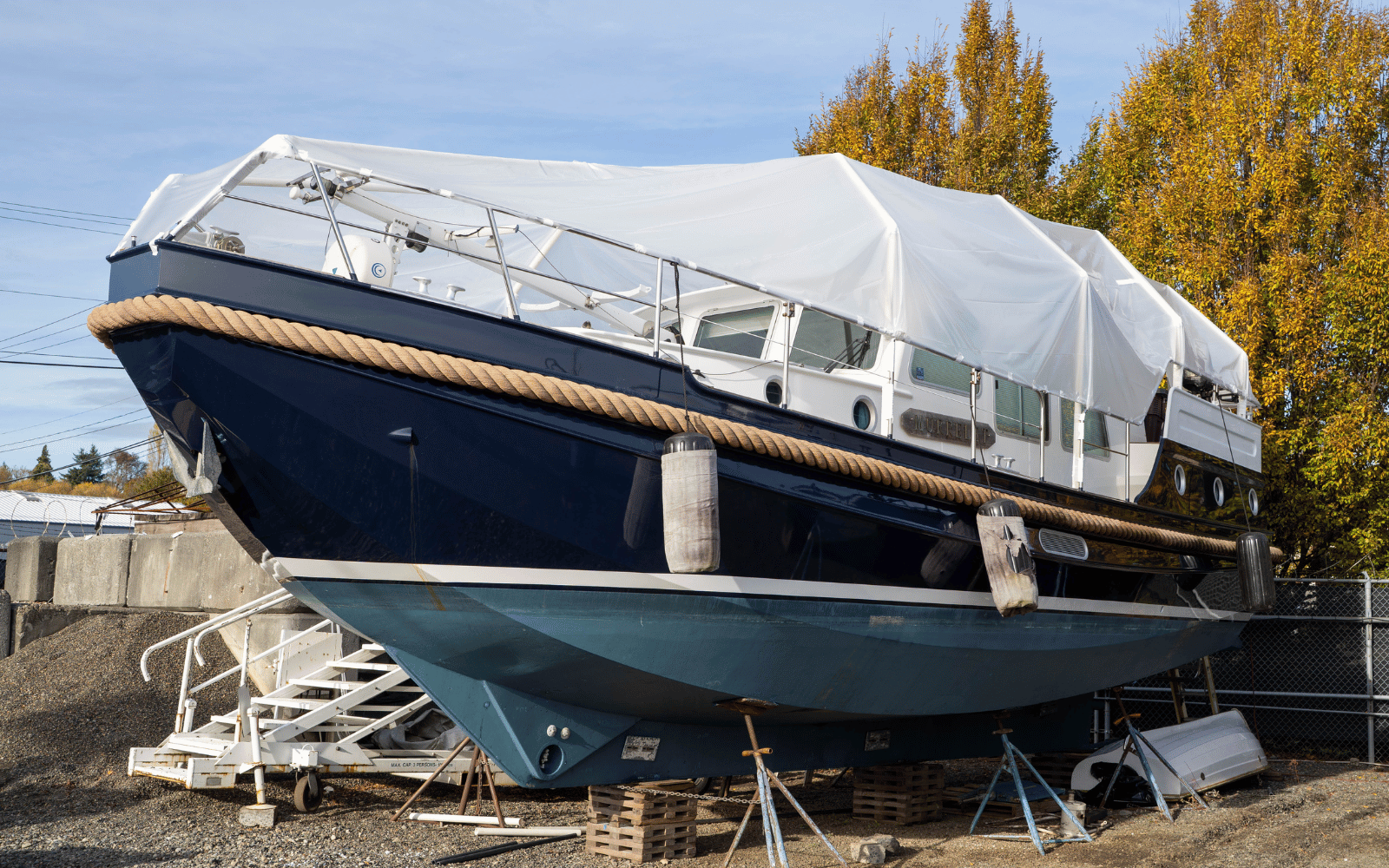
Recruited by boat owner Audrey Benedict, Smith’s Tanbark Marine Services is managing a retrofit that borders on audacious: turning an aging 38-foot Linssen steel motor vessel named Murrelet into one of the most sustainable boats in the Pacific Northwest.
“I’m a biologist and environmentalist, and our first goal with the Murrelet Project is to make her a practical example for other boat owners who are considering green retrofitting but don’t know where to start,” Benedict said.

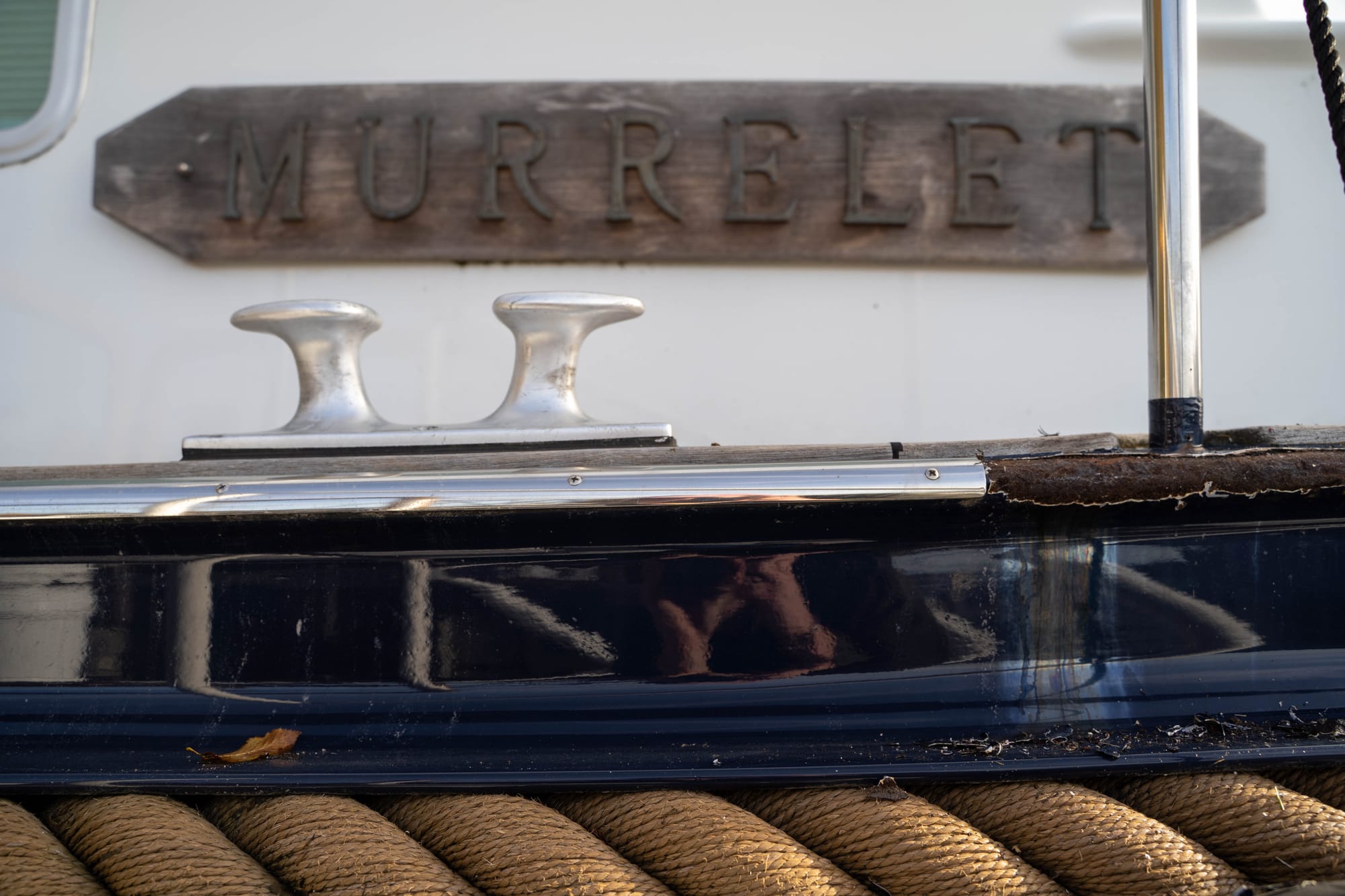
Owner Audrey Benedict's vision is to make Murrelet more versatile, including for research. (Liam Voorhees/Atworks Photography)
Although Murrelet is privately owned, the retrofit is meant to serve a public purpose. Beyond standing as a proof-of-concept for green redesign, using practical improvements to cut fuel costs and reduce the need for costly retrofits as regulations evolve.
Benedict and Smith’s vision for Murrelet’s future is to create a vessel suitable for family use, multi-day research projects, and to provide a classroom afloat for Salish Sea field trips. Murrelet will be made available at no charge to the SeaDoc Society and other regional research and environmental nonprofits whose work is focused on the Salish Sea.
At a time when marine research and science education funding is limited, the hope is that these organizations can continue to advance Salish Sea research and encourage cetacean-friendly boat design, without the expense of maintaining a large research vessel.
To minimize the environmental footprint of the 30-year-old vessel, Benedict and Smith are overhauling nearly every system on Murrelet, from power generation and noise pollution to grey and black water management.
Regarding the black water system (the head), Benedict insisted on creating as close to a closed system as possible and chose composting toilets. Smith, who has retrofitted dozens of boats throughout his career, was initially skeptical.
They eventually settled on an Airhead Tejo model imported from a company in Maine, specializing in off-grid living. Beyond alleviating the odorous hassle of pumping out the vessel, Smith is pleased with the unexpected design benefits, calling it "practical." The removal of hoses, pumps, and other clunky marine plumbing has afforded Murrelet a vast gain in engine compartment space.
“It’s like night and day,” Smith said.
That extra space proved crucial for redesigning Murrelet’s engine.
Keep Future Tides cruising by becoming a Crew Member today!
Your support drives stories like this one and buoys a community-centered publication.
Pollution, climate change, and rising fuel costs have made renewable marine engines increasingly attractive. While a fully electric engine offers a quieter and more sustainable alternative to diesel, it doesn’t offer a practical solution. Marine electric systems are evolving rapidly, but they still operate at speeds and ranges too limited for the vessel’s anticipated use.
Benedict and Smith opted for a Yanmar 4LV150 hybrid engine and Hybrid Marine drive system. They also considered a Beta Marine hybrid engine but the Yanmar meets a higher tier of U.S. EPA requirements, according to Smith. This parallel power system will enable the vessel to use diesel combustion when high-powered propulsion is required—think fast cruising speeds—and also switch to an electric, nearly soundless system at low speeds.
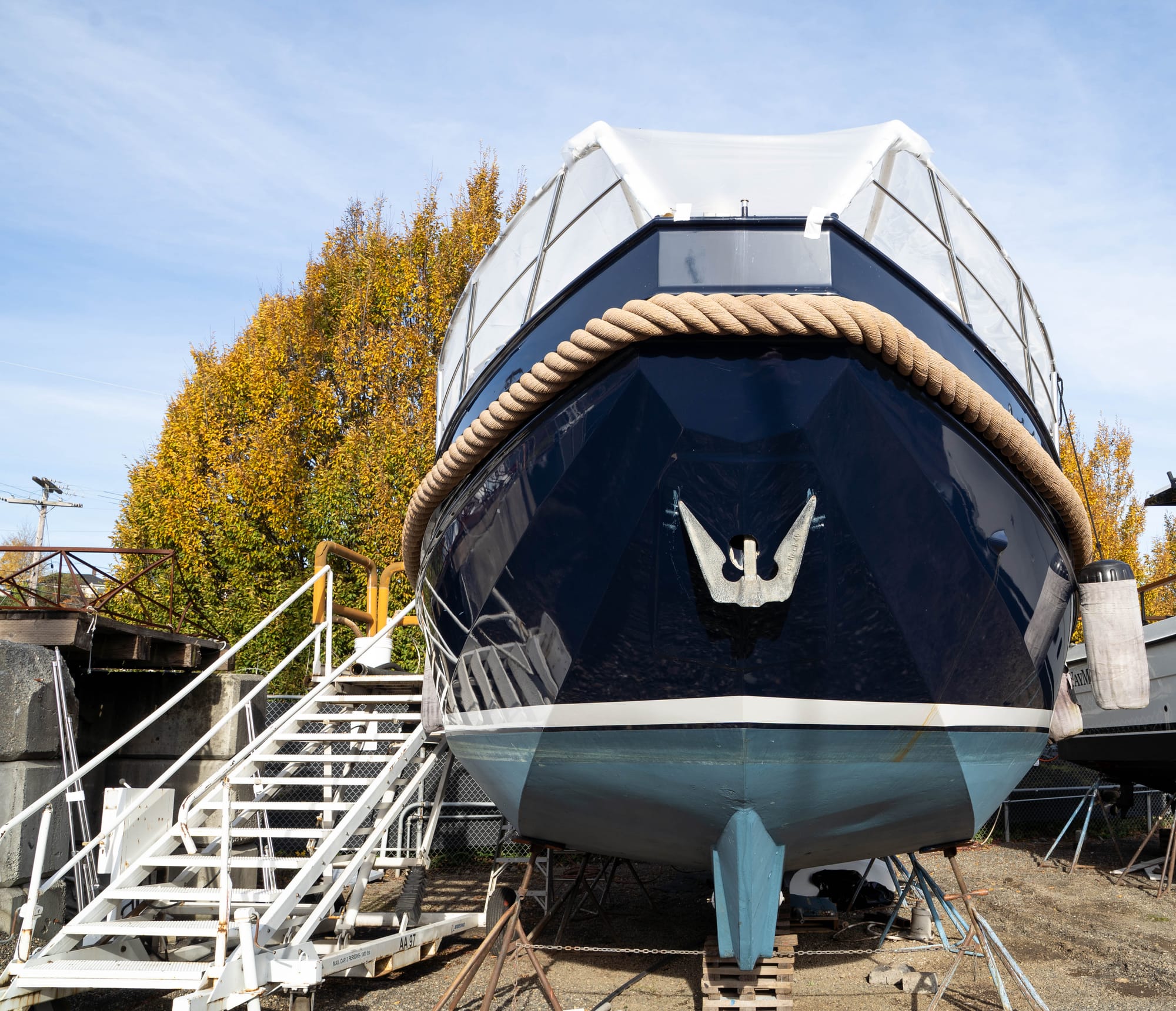
For Benedict, a science writer and co-author of two books on the natural history of the Salish Sea, marine noise pollution is a top concern. After finding her way to the Salish Sea nearly 25 years ago, Benedict has spent much of her career protecting the region and its mega and micro fauna through her books and research.
Marine traffic and anthropogenic noise have well-documented impacts on the foraging and communication patterns of cetaceans, like whales. She witnessed the consequences of a vessel strike firsthand when she spotted a dead minke whale in the heavily trafficked marine highway between Lopez and Orcas islands.
With her vessel destined for close-up cetacean research in the Salish Sea, she was determined not to contribute to the problem.
“These disruptions are taking place in Southern Residents [killer whales] critical habitat—an area essential for the survival and recovery of this endangered population,” Benedict said. “Collisions between whales and vessels of all sizes are on the rise.”
Greywater management is likewise a concern in the retrofit. To trap potential pollutants from the vessel’s greywater system—waste from galley sinks, showers, and washing machines—the team will install Marine Filtration Technology from WaveInternational, a U.K.-based company.
In many ways, Smith, Benedict, and their team are future-proofing this vessel for a changing Salish Sea. Though the Puget Sound has been listed as a No Discharge Zone since 2018, that only refers to blackwater. State law prohibits the discharge of greywater that causes an “oil sheen, film, sludge, or foam,” though those metrics don’t account for all potential pollution and are difficult to enforce without an outright ban.
Some European countries, including Turkey, already ban any greywater discharge in coastal or inland waters. As environmental regulations tighten, Smith and Benedict are betting on stricter rules ahead. The filtration system blocks microplastics, chemicals, and oil before they reach the Salish Sea.
"Our first goal with the Murrelet Project is to make her a practical example for other boat owners who are considering green retrofitting" — Audrey Benedict, owner
Though the retrofit borrows much of its technology from Europe and out of state, all installation and servicing is happening locally. Murrelet is currently housed at Seaview North in Bellingham.
While Smith manages the project from Lopez Island, Benedict commutes back and forth between her home base in Colorado and her off-grid cottage in the San Juan Islands. All of which raises an interesting question about how Washington’s working waterfronts will adapt to meet growing demand for sustainable pleasure craft retrofitting.
When Benedict first approached Smith about the retrofit five or six years ago, the marine industry wasn’t ready. “The battery technology wasn’t really there, and the supporting infrastructure wasn’t there,” Smith said. “In the last three years, things kind of ramped up.”
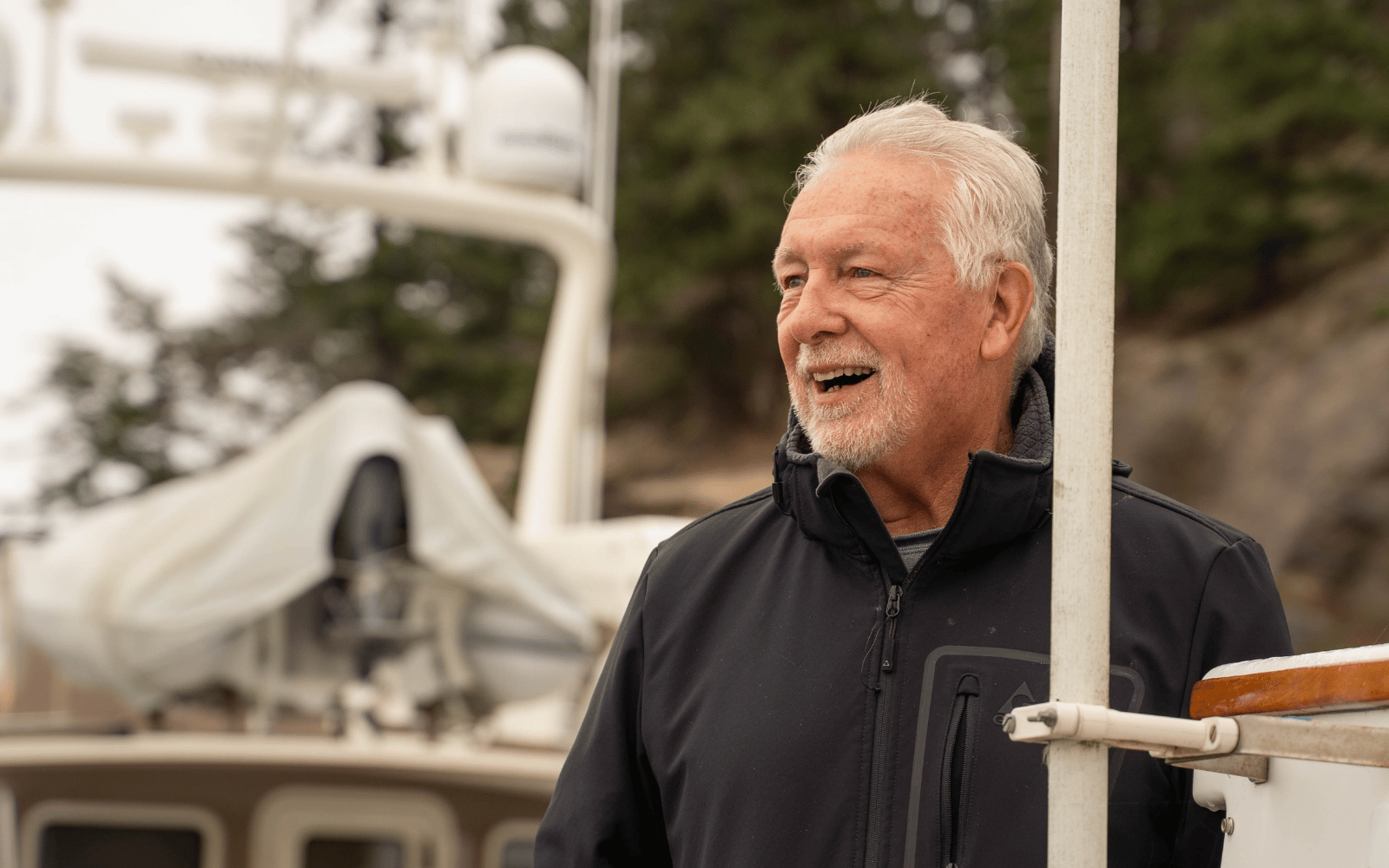
This project has Smith rethinking what’s possible. After 50 years running an engineering and marine management business, he’s electrified several vessels and met plenty of innovators. But this project feels different.
“Talking to Audrey, I get juiced like everybody else,” he said. He paused, considering his own Lobster boat nearby. “I look at my own boat now and think: Is there a way I could electrify it if this is successful?”
If enough boat owners ask the same question, Washington’s marine infrastructure will need to answer. The filtration systems, hybrid engines, and composting heads that seemed exotic five years ago are now here. And at least one boat owner is already taking the leap.