The way to the water
Many paths to maritime share one thing: Knowing someone already on the water
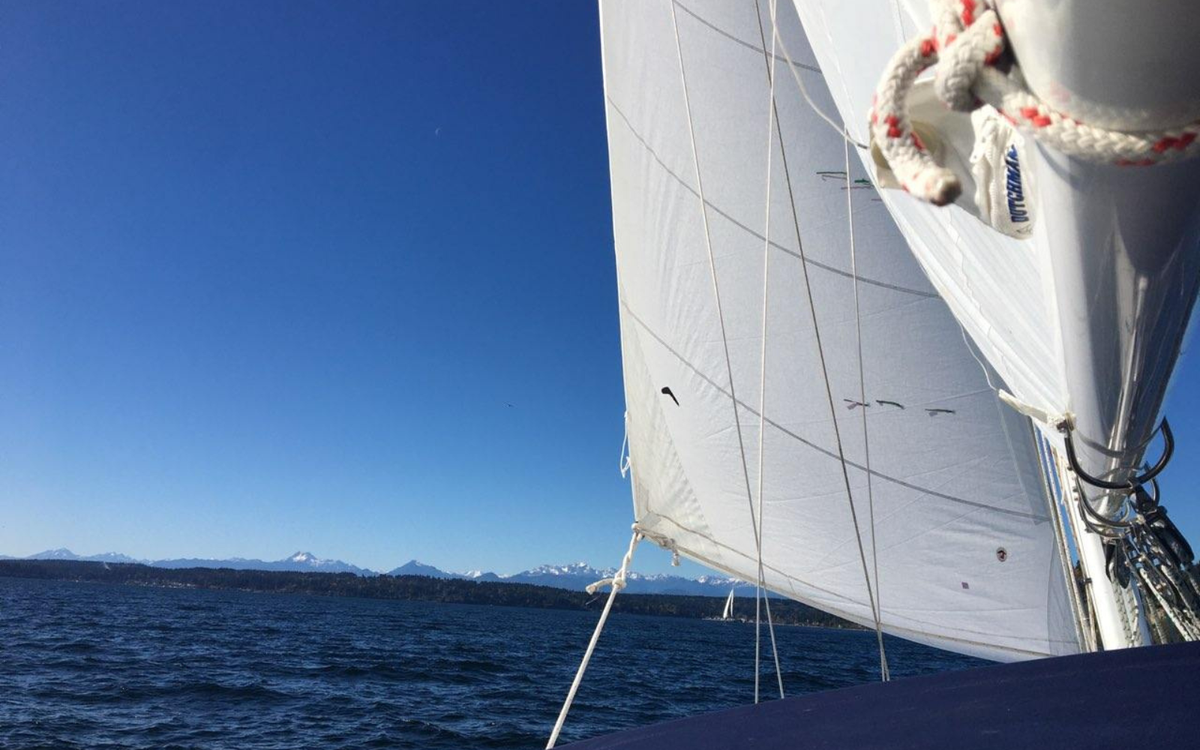
How does someone get into sailing? Or become a credentialed mariner? How do people find their way to commercial or recreational fishing? Or dedicating their free time to paddling?
They learn about it from another person. A simple concept with widespread impact.
My dad was that person in our family. His introduction to sailing came through his best friend from the Army, who built an 18-foot kit boat and taught my dad the literal ropes. This friend, who I reconnected with recently to hear stories of their adventures together, said my dad quickly surpassed him in both skill and enthusiasm for sailing.
That's all it takes.
My dad bought a double-ender wooden sailboat and set course on a new lifestyle. His experience sailing on both coasts and a passion for nautical stories undoubtedly inspired his children. My mom often told him, with a smile: "It's all your fault."
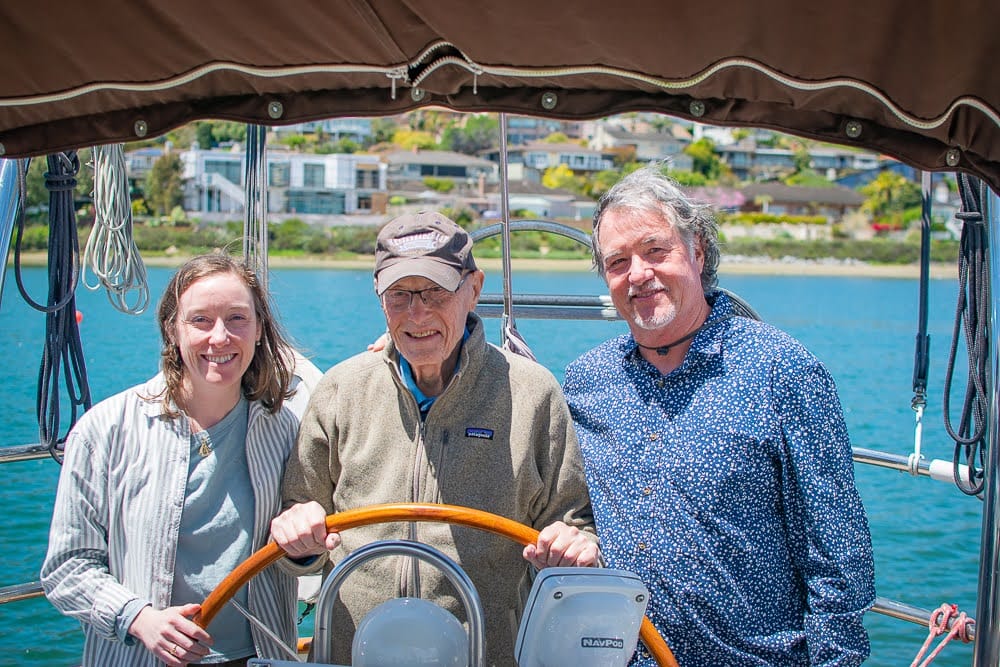
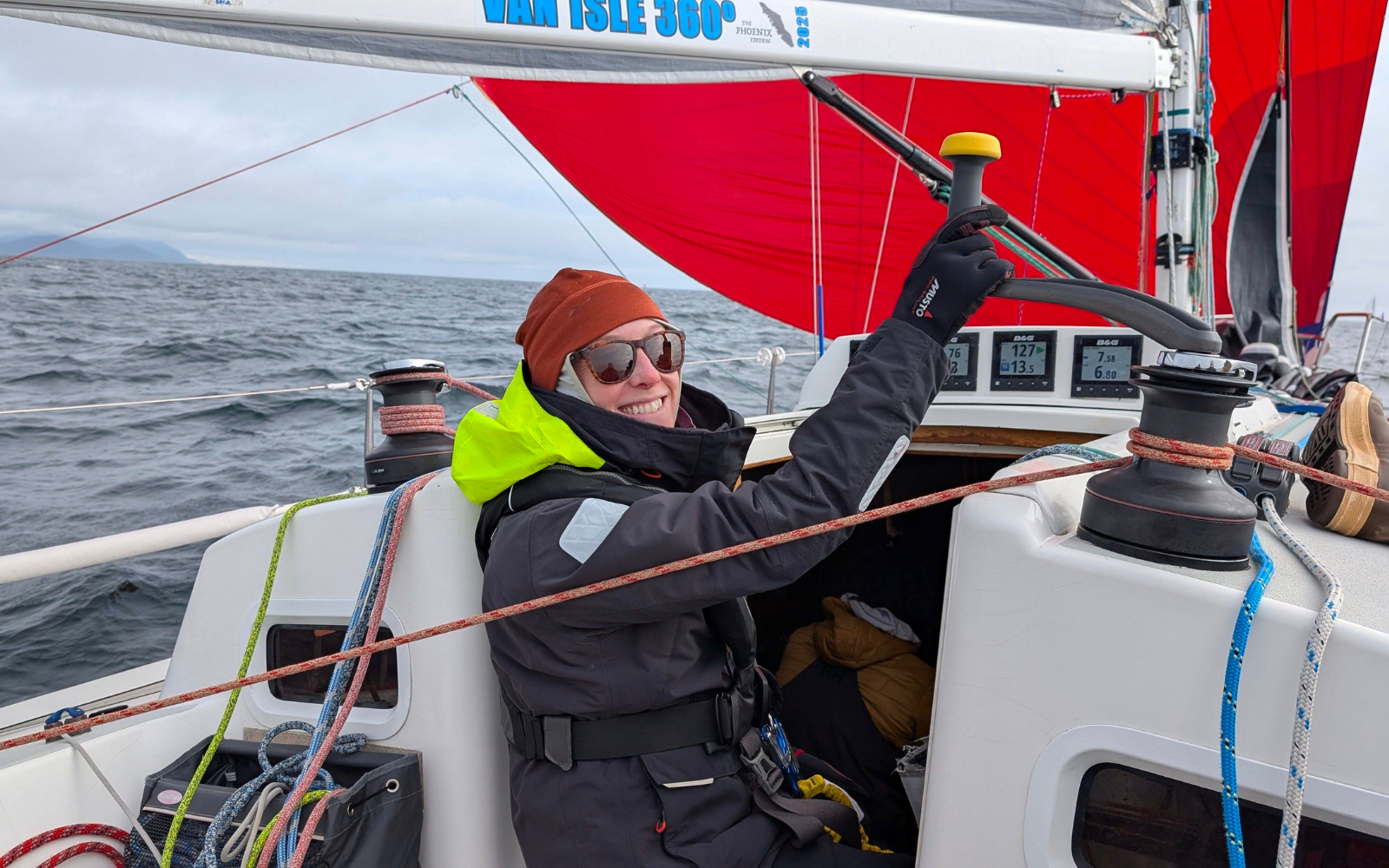
While an integral part my family's story and my own identity, this story of inspiration and perseverance is not unique to my dad. Nor is it how everyone finds themselves on the water, but those people who dive in tend to have a ripple effect.
"My uncle took me sailing one summer..."
"I heard about a coworker who lived on a boat..."
"A neighbor works for the ferries..."
These small moments of exposure to nautical life are critical for both recreational boating and maritime careers.
They can also resurface in a myriad of ways. I've heard the small moments referenced again and again over the years, from fellow college students curious about the sailing club; parents excited to get their kids out on the water; and those who spent their careers building boats.
As ports have moved away from the heart of cities and many marinas become expensive enclaves, it makes it harder to discover the opportunities there — unless you know someone.
Efforts are underway to replicate this informal recruitment system as an aging generation leaves the maritime workforce and the number of registered recreational boats declines. This generational "watch change" is a recurring theme in Future Tides' reporting.
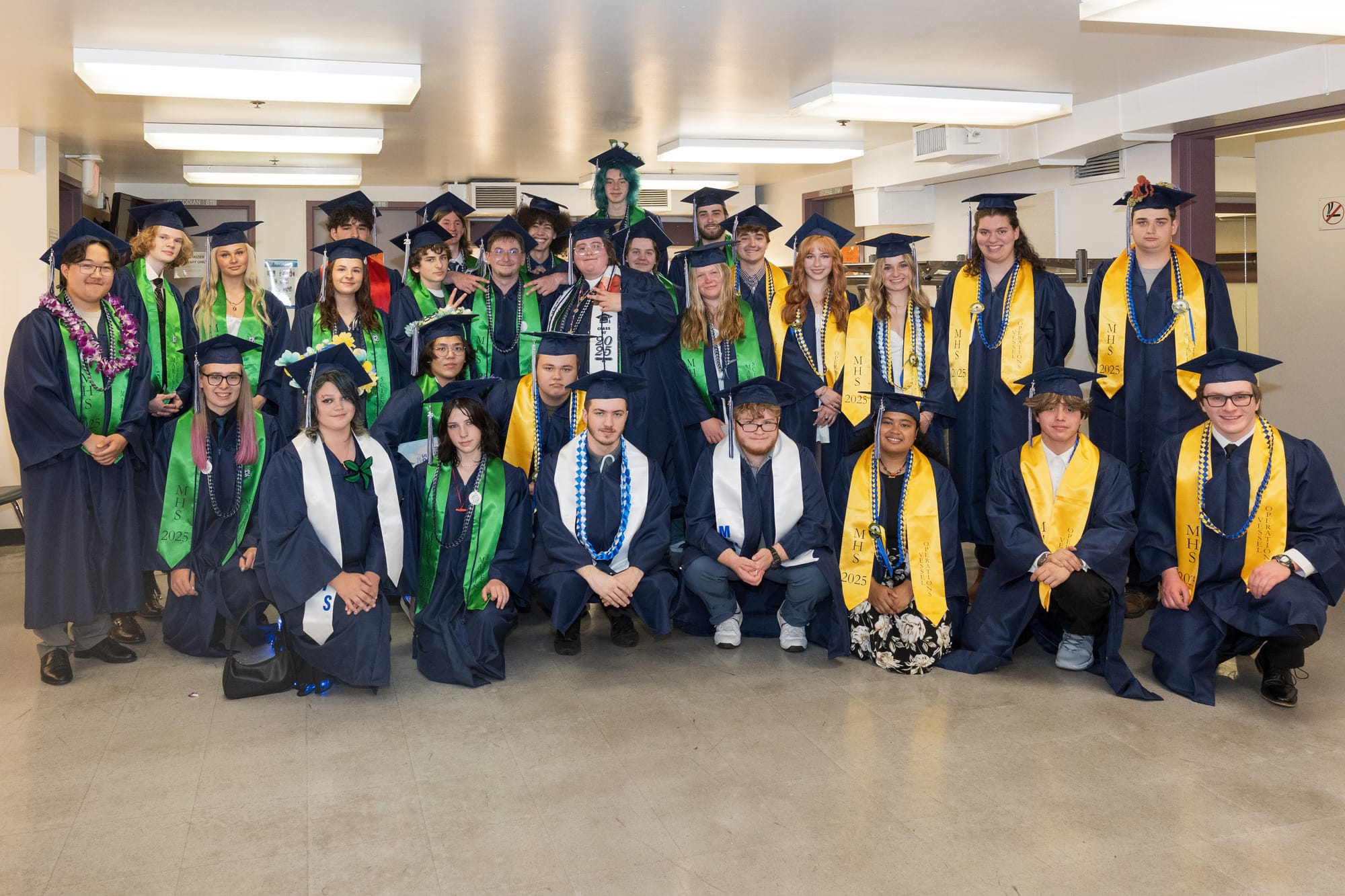
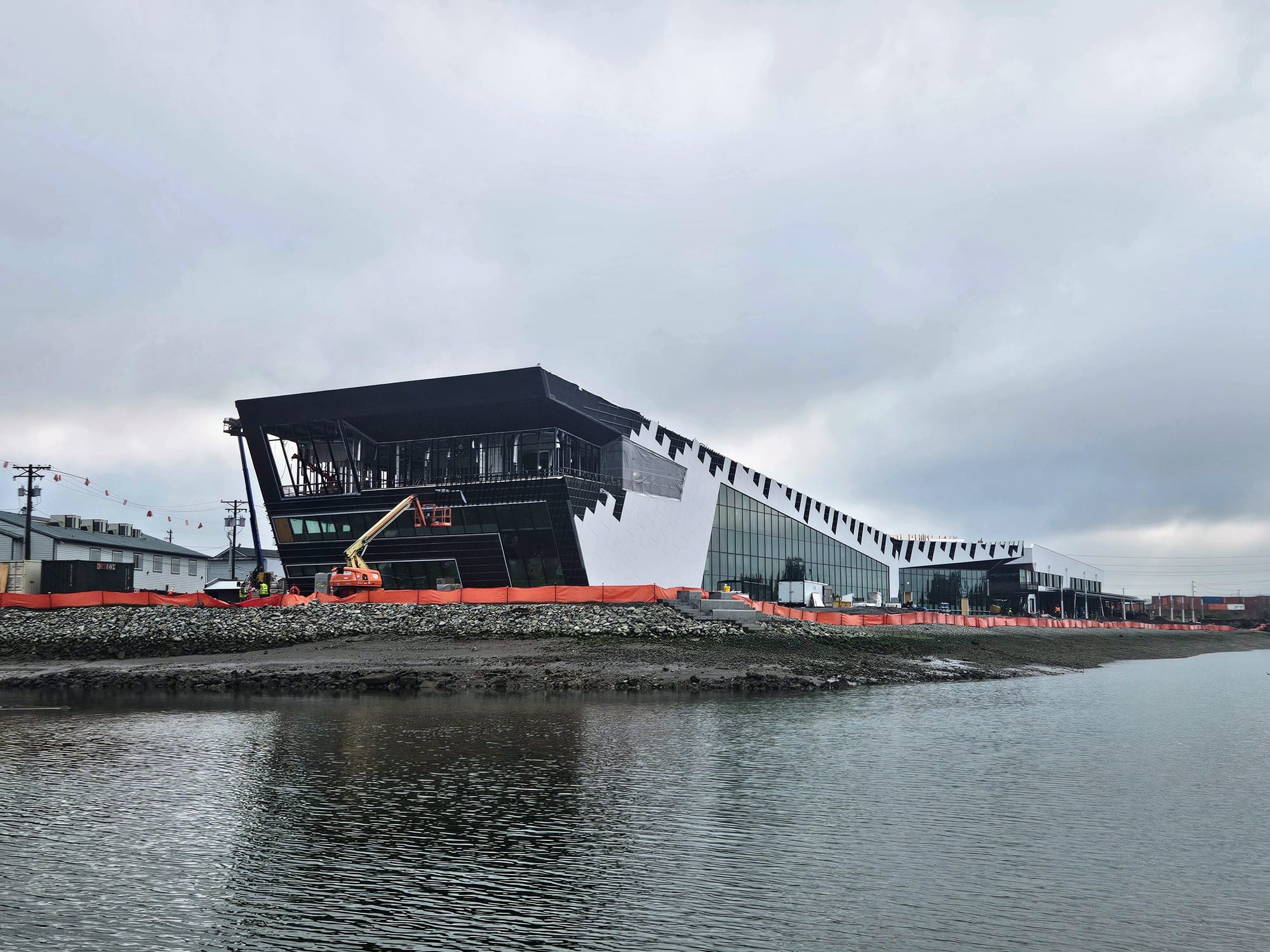
In Washington state, initiatives include a new commercial fishing pier to make the industry more visible in affluent Gig Harbor; a state-funded Seamanship Readiness Program to help youth from disadvantaged backgrounds start a maritime career; and multiple newly constructed maritime education facilities.
Maritime High School, the first of its kind in the state which is graduating its second class this year, makes connecting part of the curriculum. Students are mentored by industry professionals, conduct informational interviews, and taught to network.
Even the most promising programs face familiar limitations: scale and funding. As this work continues, individual connections remain a major driver for others diving in.
Yes, it also doesn't quite scale but it only takes one person telling another:
"You could totally take sailing lessons this summer."
"Want to go fishing this weekend?"
"Ever been to a race? Let's check it out."
"I know someone doing that kind of work, if you want to learn more."
Sharing what we know on shore and online
Two common paths to discovery these days are in-person experiences and, you guessed it, social media. Maritime industry influencers and sailing YouTubers serve up inspiration through algorithms and highly visual feeds.
This is actually not new. Generations of sailors and mariners contributed to magazines, wrote books and strategically sold their stories.
People in the maritime community, especially women and minorities who remain underrepresented on the water, have mentioned these online spaces make them feel more visible and connected, well beyond their local waters.
There's a utility to maritime social media and video content too: how to fix anything, creative hacks for common problems, how to navigate careers with complex credentials and, of course, some salty humor to make us smile.
For those who don't already work or play on the water, maritime social media content might be all they ever know. They may contentedly remain career change dreamers and "armchair sailors," or maybe one day, they might dip their toes.
For generations, this knowledge sharing relied on proximity, and online learning has its limits. There's still great value in our collective knowledge and learning hands on alongside someone with different experience.
So, if you want to learn more about some aspect of boating, should you head to the internet or find a local old salt? I'll give my dad's favorite answer to any question: "It depends."
Showing the way to the water
The way to the water is not linear. It's not always through family, it can be through friends, neighbors, coworkers or acquaintances. The children in your life may not catch your passion for the salty side, best not to force it.
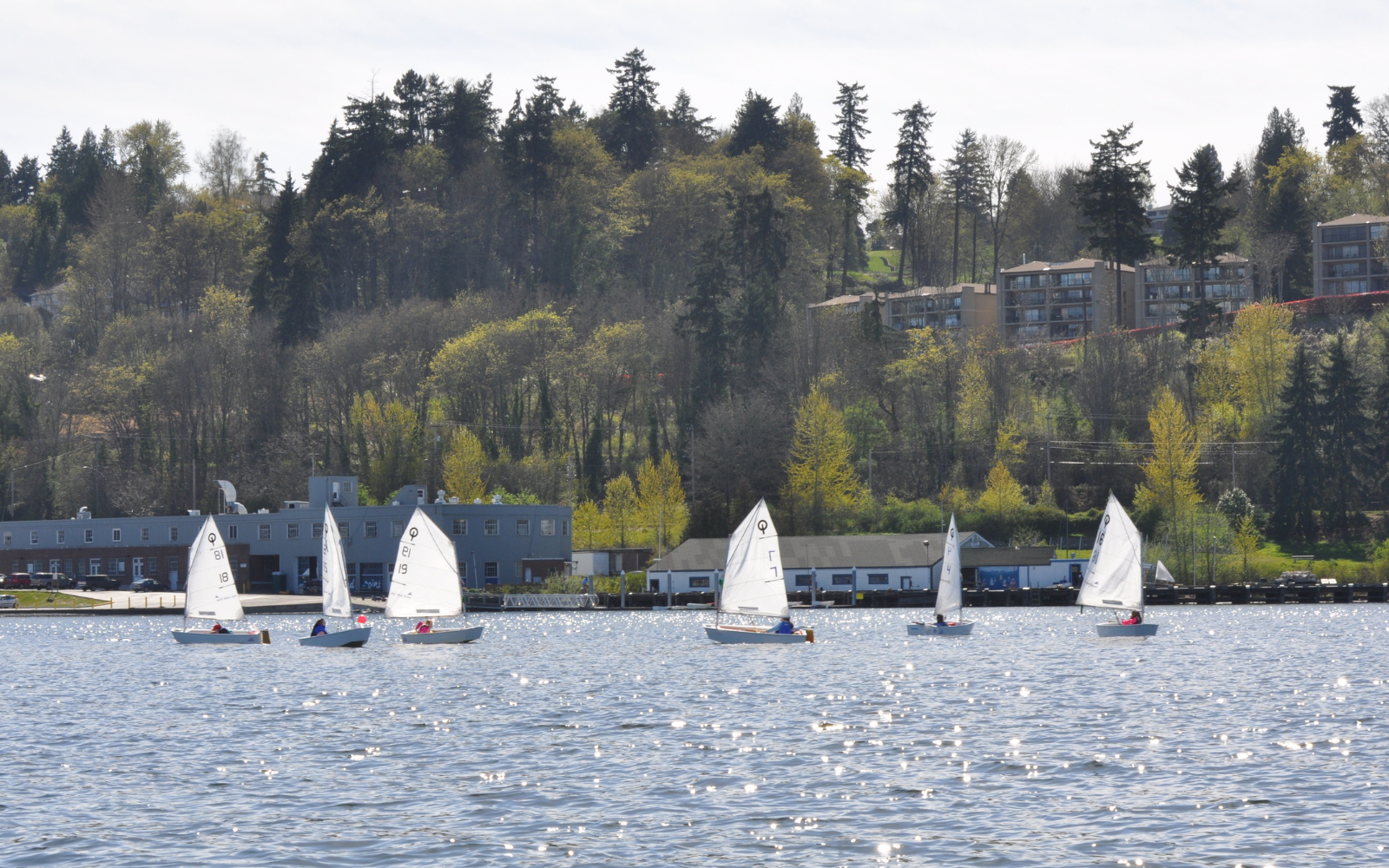
As a coach for youth sailors ages 8-12, I used to say my top priority was for them to not hate sailing. It sounds a little backwards, but negative experiences can drive someone away from the sport, and the water, for a long time. Instead, I tried to facilitate many small, positive moments so boating would be part of their lives beyond age 12.
If you're reading this, you have a connection to the water, too. Tell people about your connection — whether that's going for a casual paddle, racing offshore, fishing all season or making your living at sea — and answer their questions. What's normal to you might be fascinating to them (when I lived on my boat, the #1 question was about the bathroom).
You can also keep an eye out for the individuals and organizations trying to foster these crucial connections. From what I've learned through teaching and as a maritime journalist, knowledge is powerful, including the knowledge about how we got here ourselves.