New WA laws address derelict vessels, ferry systems and port automation
Many of the laws that govern the state's most iconic maritime activities are decided in the Legislature.
From the ferries to the kayaks, many of the laws that govern Washington’s most iconic maritime activities are closely debated, defended, legislated, and decided in the Washington state Legislature.
Every other year the state legislature holds a “short” legislative session. Just 60 days to make the latest round of additions to laws, state budgets, and policies in the agencies that govern much of Washington’s maritime experiences, like ferry toll rates, pollution controls, and even vessel licensing.
Advocates and lobbyists like the Recreational Boaters Association of Washington (RBAW) and the Northwest Marine Trade Association (NMTA) are in on the action too, setting meetings with legislators to encourage them to support or reject bills.
Staff from state agencies present reports and update budget requests, while the governor’s office chimes in with their priorities for the state House and Senate.
After all that flurry of activity, the lawmaking ends for the year.
Since the latest session came to an end on March 12, newly passed bills are either already signed and will become law in three months, or are waiting to be signed into law by Gov. Bob Ferguson.
Here are half a dozen maritime-related bills that made it through related to derelict vessels, ferries, and fishing rights. Plus, a couple proposed bills that didn’t, which may resurface in the future.
SHB 2199: Reducing impacts from derelict vessels
Passed and signed by Gov. Ferguson on March 9. Law takes effect June 11.
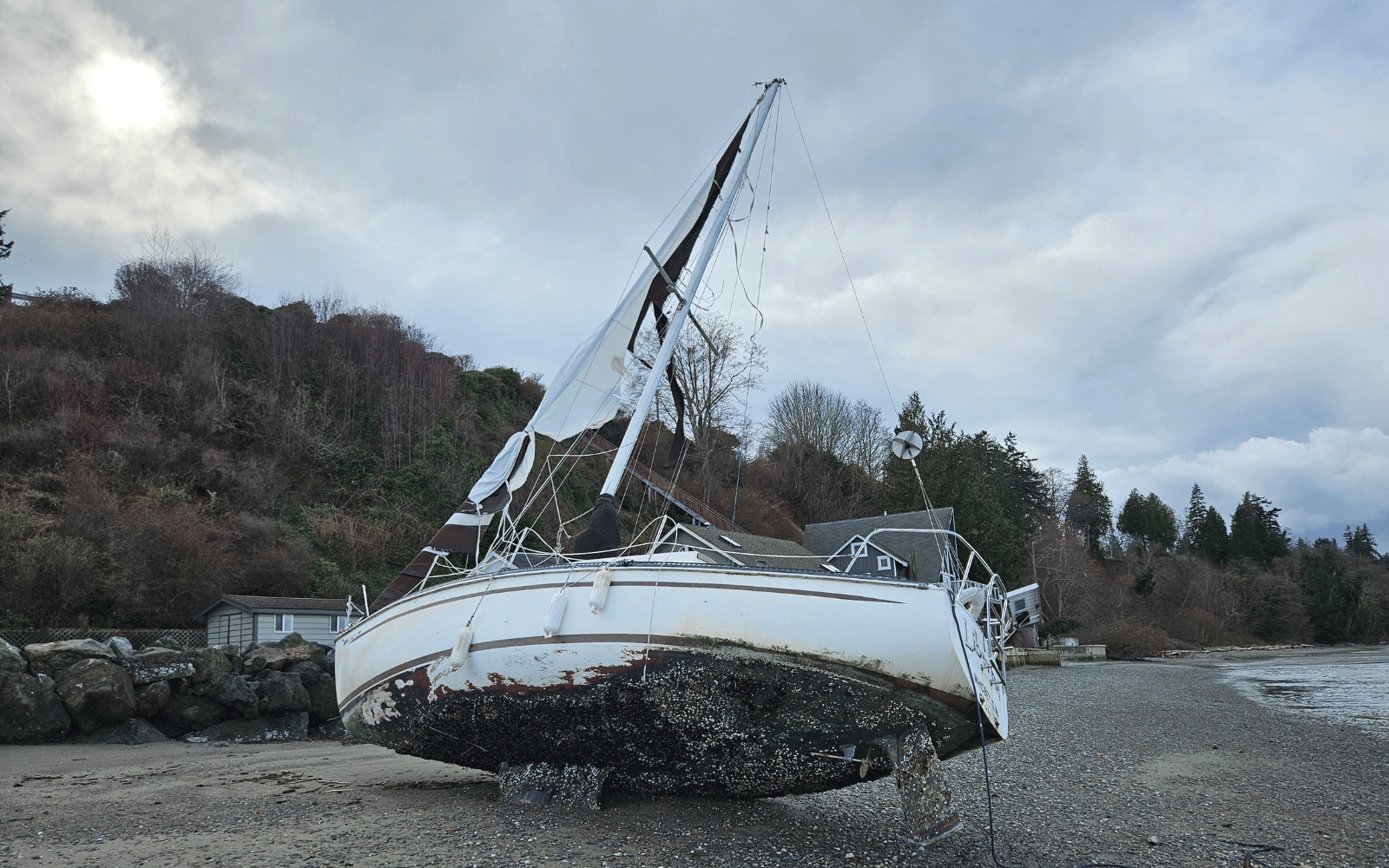
The issue: Prior to this bill, the definition of a “derelict vessel” required that an owner is known and able to be located, which hindered the ability of state officials to remove these vessels from the water when they become abandoned or hazardous.
The legislation: This bill broadens and clarifies the definition of a “derelict vessel” to make it easier for the Washington state Department of Natural Resources to declare a vessel derelict and begin the procedures required to take action on problematic boats. The new law removes the requirement that an owner is able to be located and control the vessel, enabling easier recovery and containment for these environmental burdens. It also allows for simplified recovery of vessels that have 2+ years of expired registration.
The support: This bill received wide bipartisan support, with no opposition from either party in either chamber of the legislature. Prior to the legislative session, the passage of this bill was a priority for RBAW and NMTA.
Bill sponsors: This bill was sponsored by 12 Democratic representatives in the House, largely from districts surrounding the Puget Sound, including Pierce, King, Snohomish, Island, San Juan, and Kitsap counties.
 Cara Kuhlman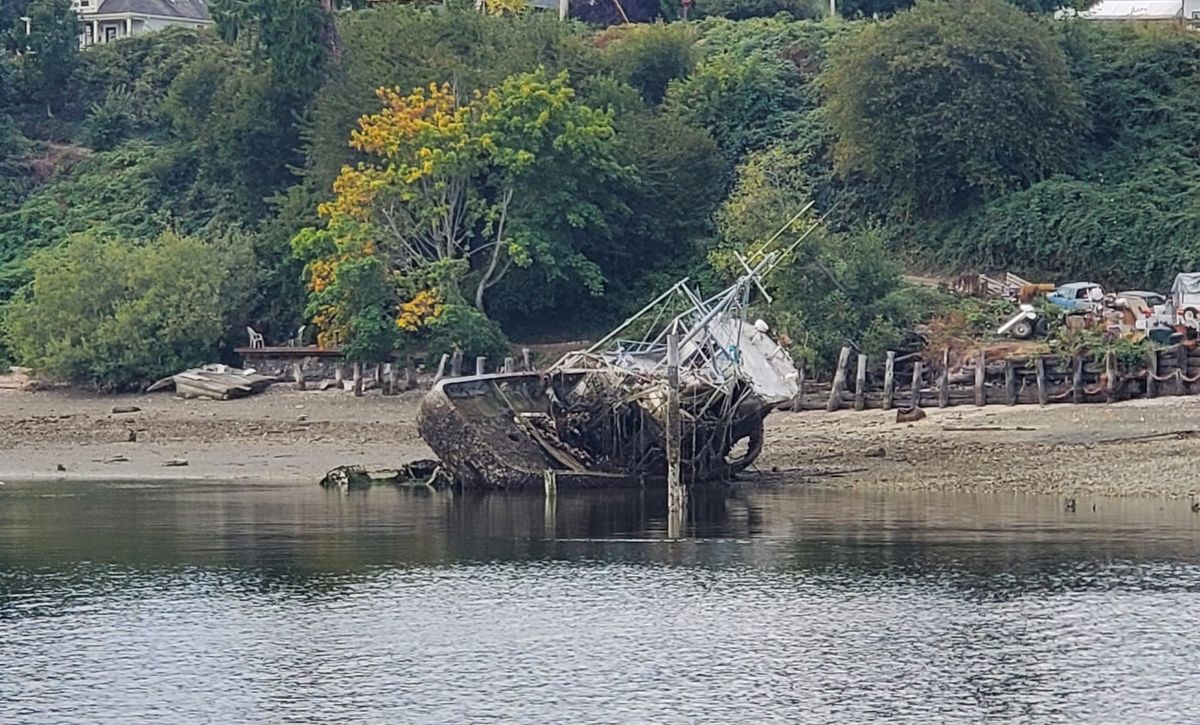
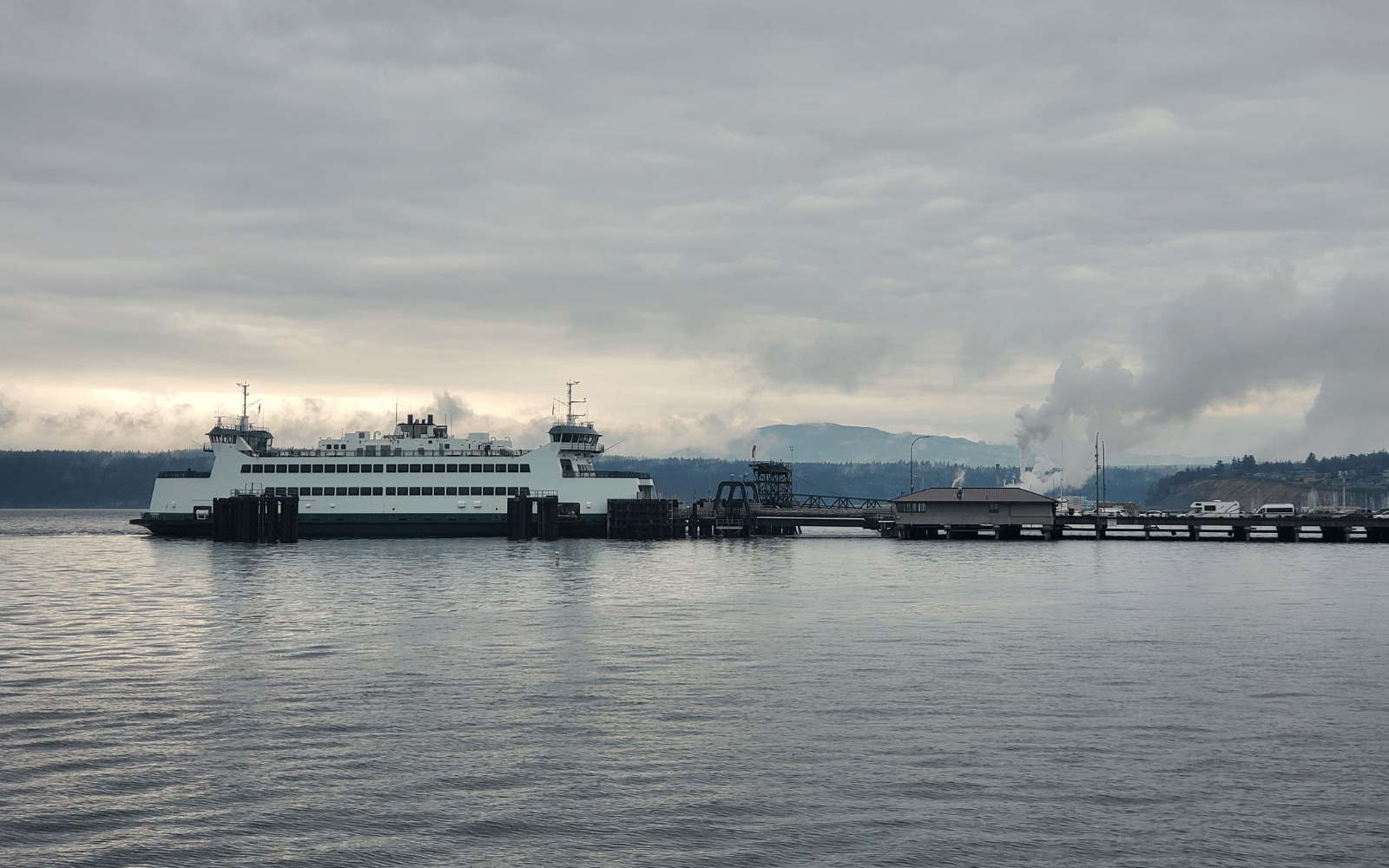
HB 2588: Concerning county ferry district authority
Passed and signed by Gov. Ferguson on March 24. Law takes effect June 11.
The issue: While the governing bodies of counties can construct and operate ferries, they can also create ferry districts that will govern a ferry service on their behalf. Ferry districts operate similarly to businesses, acting semi-independently of the county, and are able to hire staff, enter into contracts, and sue or be sued.
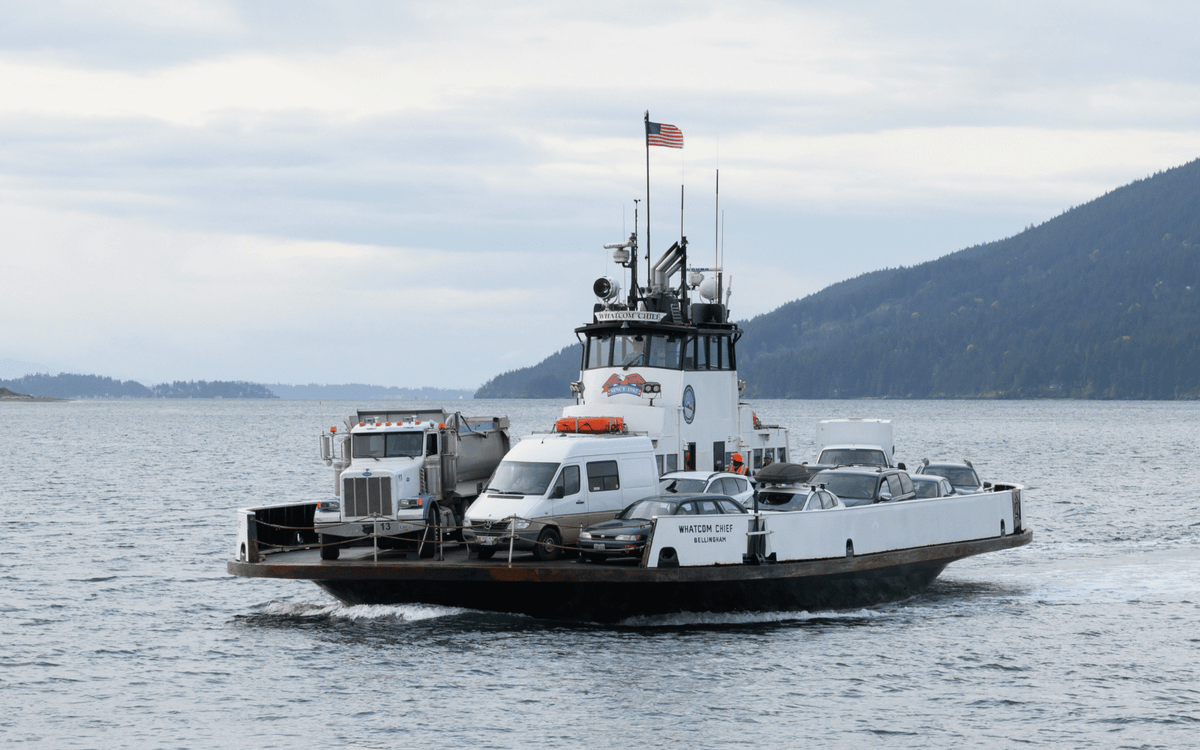
However, under existing law, a ferry district’s authority is limited to operating passenger-only ferries, not carrying vehicles. Currently, four counties operate county-level ferries: Whatcom, Skagit, Pierce, and Wahkiakum.
The legislation: This bill makes changes to how county ferry districts operate and are funded. The most significant change is the removal of the “passenger-only” restriction, which prevented ferry districts from operating any type of ferry, like vehicle ferries.
It allows any ferry district created after June 11, 2026, to impose a tax levy, but there are caps based on population size and any levy above 10 cents per $1000 of assessed value must be approved by the voters within the district.
The law requires that if a county establishes a ferry district, it must appoint a five-person advisory committee, with at least three members being “frequent ferry users.” It also provides exemptions for limits of new ferries within 10 miles of state-operated ferry crossings or toll bridges and allows ferry districts to issue bonds to construct new ferries and use tax revenue for shoreside improvements.
The support and opposition: In the House and Senate, this bill was generally opposed by Republicans, and supported by Democrats, with a few exceptions.
Supporters of this bill suggest that it is a needed change for local control, enabling counties like Pierce and Whatcom to create a more adaptable ferry system, potentially lowering overhead costs from maintaining a ferry system within county government.
Those opposed to this bill suggest that voters would have little representation in ferry districts.
Bill sponsors: This bill was sponsored by Reps. Joe Timmons, Alex Ramel, and Debra Lekanoff, from districts 40 and 42. Notably, the Lummi Island vehicle ferry in those districts is a county-operated ferry.
Impacts of the 2025-2027 biennium budget adjustments
All three bills passed and signed by Gov. Ferguson on March 31 and April 1. Laws take effect at time of signing.
A major focus of the 2026 short session was updating the state’s two year budget in the face of a deficit and federal funding cuts. These three bills are all about funding, including to the maritime sector.
The bills adjust the 2025-2027 biennium budget to match funding changes in 2026 for various departments and programs of Washington state, including Washington State Ferries (WSF), and the Departments of Natural Resources, Ecology, and Fish and Wildlife.
Almost $17 million is allocated to close out the program converting ferries to electric hybrid propulsion, reflecting a shift to focus on purchasing new ferries. This “close out” funding is notable after Ferguson paused delayed the conversion project until after the 2026 World Cup.
WSF Deputy Director of External Communications Dana Warr confirmed to Future Tides in an email that “the legislature has opted to not provide any resources for the conversion of the Tacoma and Puyallup for the remainder of this biennial cycle.”
Read more:
Cara Kuhlman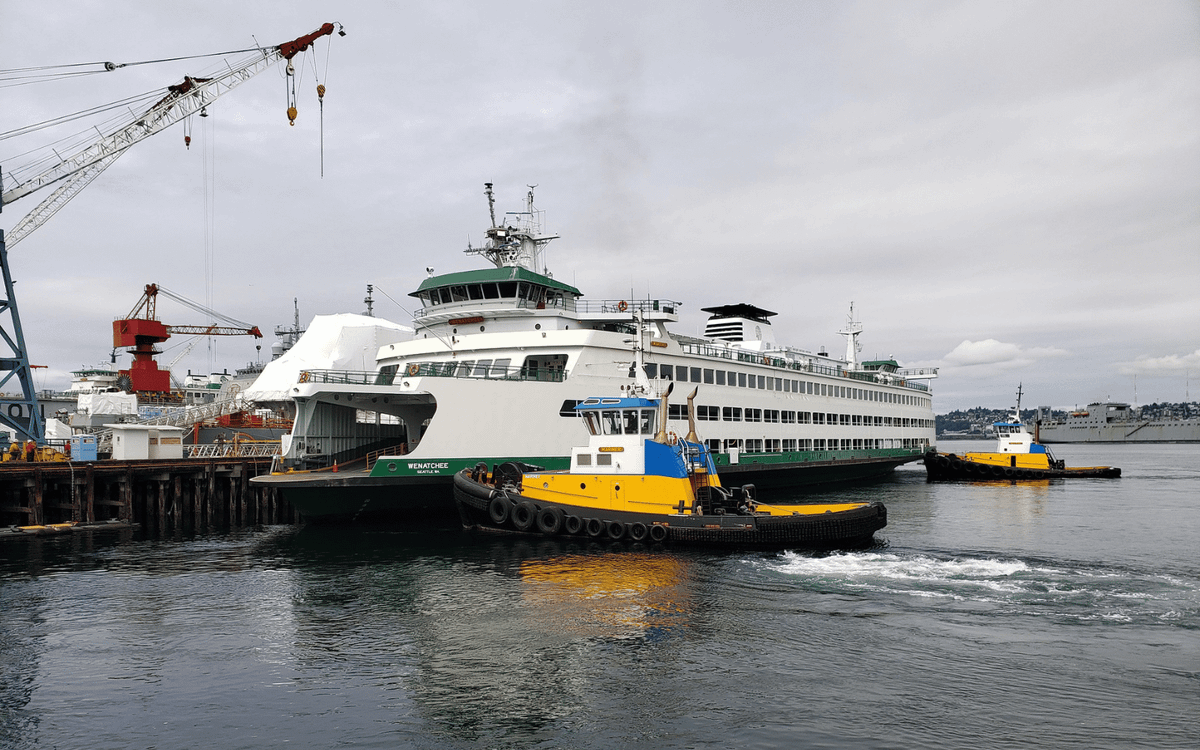
Other budget line items of note include:
- The Derelict Vessel Removal program received an additional $17,000, rather than the governor’s proposed reduction of the program.
- The Joint Transportation Committee must convene a work group that evaluates and reports options for upgrading and modifying existing ferries and consider those options alongside bid proposals for hybrid-diesel electric ferry vessels constructed in Washington.
- $500,000 of the Puget Sound ferry operations account is provided for a feasibility study regarding the establishment of a state-owned or leased dry dock facility.
- $2 million of the Puget Sound ferry operations account is to establish a preservation response team to address unexpected repairs in the ferry fleet.
- $700,000 for youth zero-fare policies in county-run ferries such as those serving Pierce, Skagit, and Whatcom counties.
- $250,000 for grants for water safety education for both motorized and nonmotorized water users of Lake Union. In the past, this funded the "Mind the Zone" campaign to raise awareness about the seaplane advisory zone on the lake.
- $50 million for electric shore power systems at public ports.
HB 2554: Natural resources management and treaty rights
"Recognizing judicially affirmed and treaty-reserved fishing rights and promoting state-tribal cooperative agreements in the management of salmon, trout, and steelhead resources."
Passed and signed by Governor Ferguson on March 11. Law effective as of June 11, 2026.
The issue: Parts of Washington’s laws enacted during the “Fish Wars” of the 1970s were unconstitutional and inconsistent with the Boldt Decision. They meant to limit Tribal treaty-reserved fishing rights and claimed that when Tribal members became U.S. citizens in 1924, they gave up their treaty rights to their usual and accustomed fishing grounds. The U.S. Supreme Court has affirmed that Tribal membership is compatible with U.S. citizenship.
The legislation: This bill removes those laws and aligns with Washington’s current cooperative approach and co-management policies. This bill originated at the request of the Attorney General's Office and the Department of Fish and Wildlife in 2021.
The support and opposition: This bill was sponsored by 17 Democratic representatives and supported by Democrats in both chambers. It was opposed by 28 Republican representatives and by two Republican Senators.
No testimony or public comments were logged in opposition to the bill.
Keep Future Tides cruising by becoming a Crew Member today!
Your support drives stories like this one and buoys a community-centered publication.
SB 5995: Port districts purchase of cargo handling equipment
"Concerning moneys available to a port district allocated for the purchase of zero and near zero emission cargo handling equipment."
Passed and signed by Governor Ferguson on March 16. Law effective as of June 11, 2026.
The Issue: An existing law that specifically allowed port districts to purchase zero and near-zero emission cargo handling equipment and infrastructure was originally set to expire on Dec. 31, 2031.
The 2021 law also prohibits using port funds to purchase "fully automated marine container cargo handling equipment." Automation is a major issue in negotiations with the longshoremen's union around the U.S.
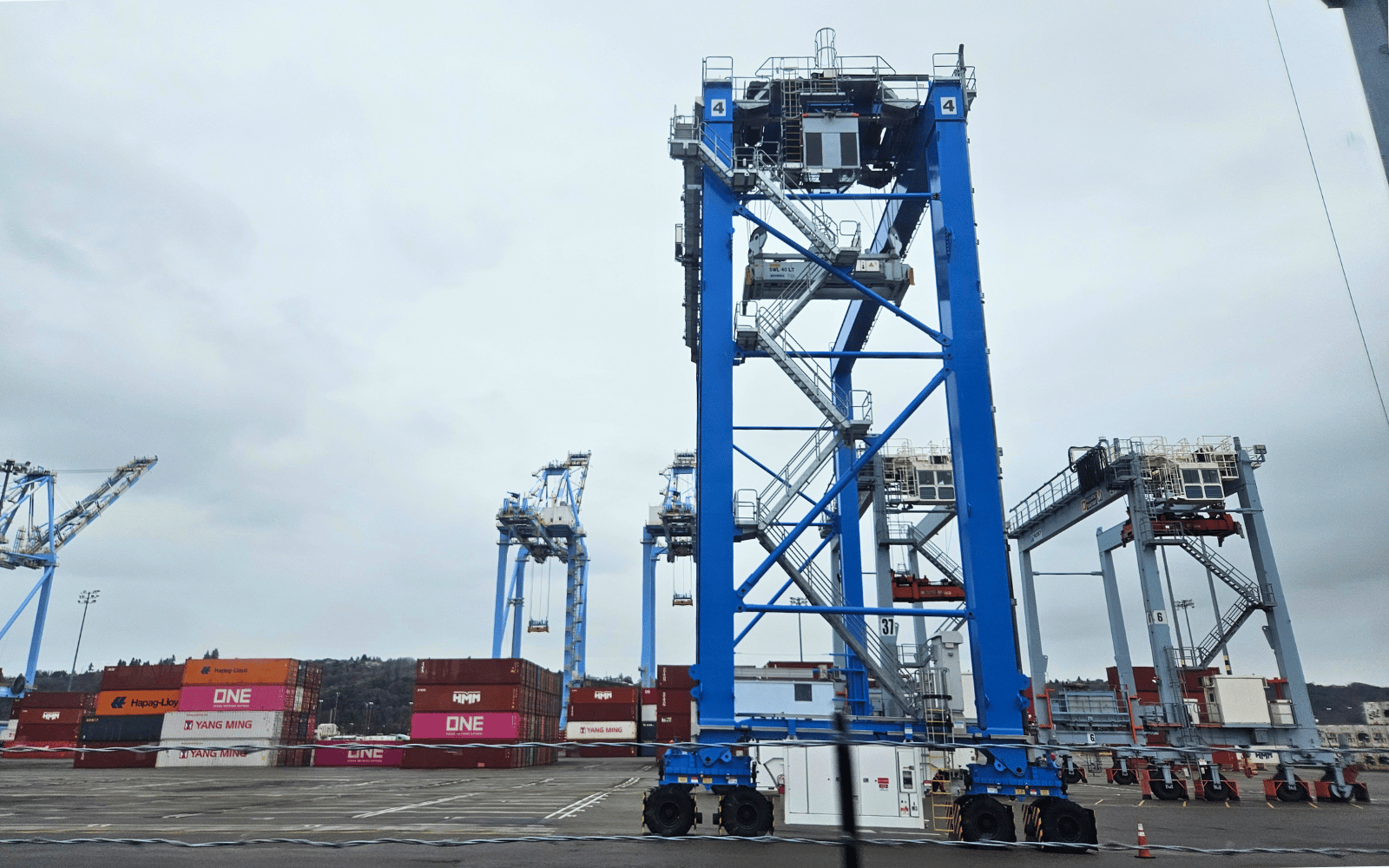
The legislation: This bill removes the expiration date of the law, making it possible for ports to purchase zero and near-zero emission cargo handling equipment and infrastructure past 2031. The change also indefinitely extends the prohibition on purchasing fully automated equipment with public funds.
The support and opposition: This bill received bipartisan support in both the House and the Senate. It was sponsored by Sens. Jesse Salomon (District 32), Jeff Wilson (District 19), and Bob Hasegawa (District 11).
Off course: Bills that didn’t progress
SB 1923: Increasing the availability of passenger-only ferries by establishing the Mosquito Fleet Act
Did not pass. Died in reconciliation in the House, after the Senate refused to recede on amendments.
The issue: Currently, passenger-only ferry districts may be established by a Public Transportation Benefit Area located in certain counties of western Puget Sound. Kitsap Transit is the only PTBA eligible, and only operational passenger ferry service. This bill provides a pathway for other government units to establish ferry districts, construct vessels, build docks, or even simply look into the possibility of a ferry system.
The legislation: The Mosquito Fleet Act would allow any port district, transit agency, county, or one of several other classes of government agency to establish a passenger-only ferry district.
The intention behind the legislation is to lower the barrier to entry for ferry systems, allowing more to exist at points around the Puget Sound and Grays Harbor.
The support and opposition: This bill was one of the most closely watched and debated bills in the legislative session.
In a bout of highly public opposition, Rep. Greg Nance (District 23) blamed Sen. Marko Liias (District 21), chair of the Transportation Committee, in a Kitsap Sun guest column for adding “nonsensical” amendments.
Among the amendments was a requirement that new vessels be zero-emission vessels, constructed in the state, and operated in compliance with Quiet Sound and state safe whale distance guidelines. Nance claimed the construction amendments would add years of delays and tens of millions of dollars of additional costs.
The House refused the Senate amendments, and the bill was not passed.
HB 2395: Authorizing additional use of certain private recreational docks and mooring buoys
Did not pass. This bill was read, and passed to the Environment and Energy committee, but was not passed out of committee before sine die.
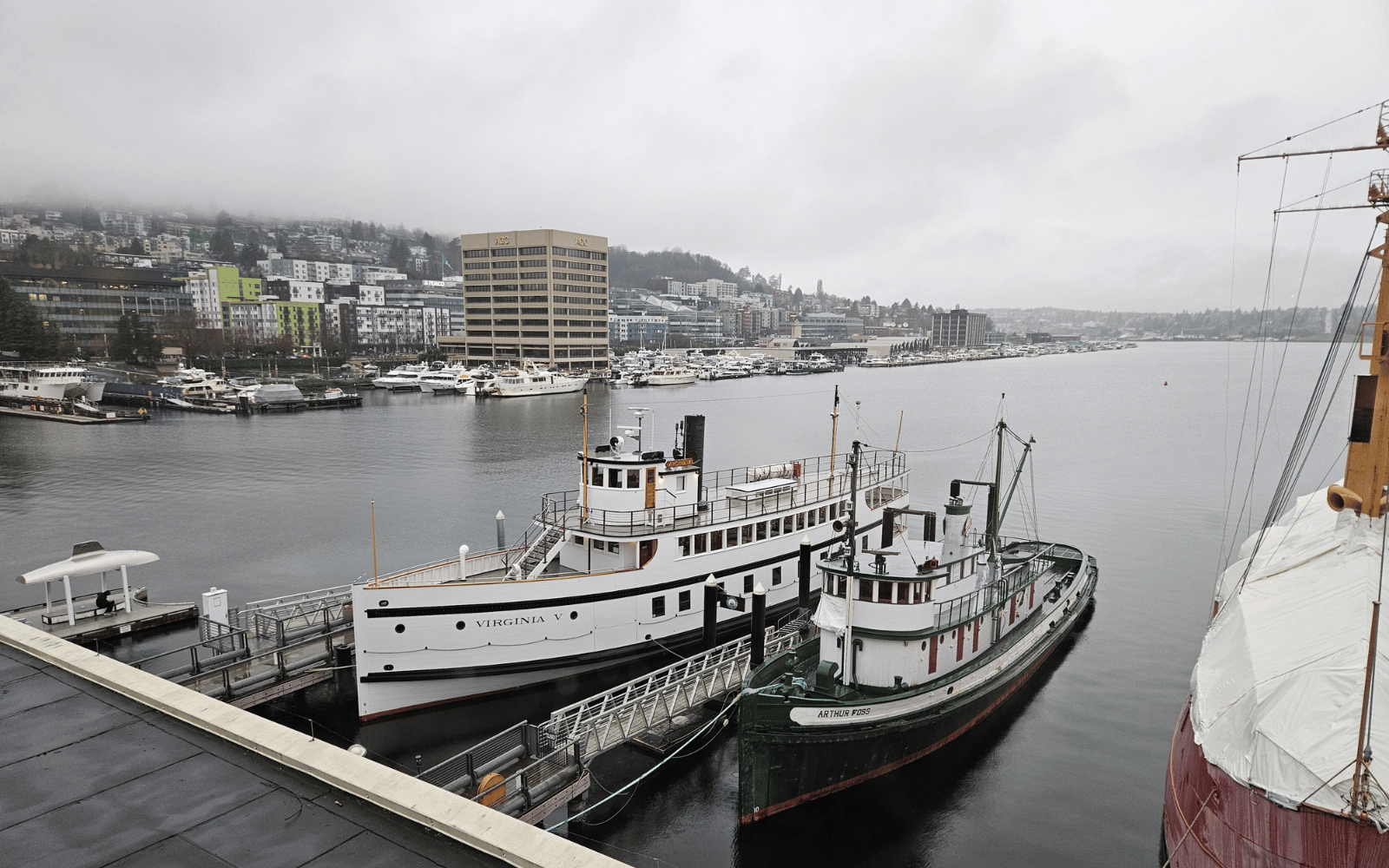
The issue: Under current law, waterfront property owners are allowed to install private recreational docks and mooring buoys on state-owned aquatic lands, without paying lease fees, provided the structures are for personal, non-commercial use.
The legislation: This bill would have added provisions for other users to “permit recreational moorage sharing at a dock or mooring buoy.” In short, sharing or renting their personally-owned space to others.
The moorage sharing would be limited to qualified recreational vessels (including privately-owned or boat club vessels), and limited to less than seven consecutive days, or 90 days in a calendar year, and that owners receipts do not exceed three times the owner’s actual maintenance costs for the dock or buoy in the last year.
This bill would enable apps like Edmonds-based OnBuoy to “rent” spaces to other users on behalf of private owners.
The bill also maintains that such use would not constitute a commercial use of state-owned aquatic lands.
The support and opposition: This bill was sponsored by Reps. Strom Peterson (District 21) and Julia Reed (District 36). Both are Puget Sound adjacent districts with a large number of boaters.
The bill was also advocated for by the creator of OnBuoy, an app which functions like hospitality apps similar to AirBnB or VRBO, but for privately-owned buoys. There has not been public debate or opposition to this bill yet.
Advocates with RBAW suggest that the current law’s restriction against others using private buoys is more of a language oversight than intentional limitation against such sharing.
The next Washington state legislative session will begin in January 2027. All 98 House seats and 24 (out of 49) Senate seats are up for election in November.